
Scrap It .
Designed to simplify scrap collection while promoting sustainable waste management.
case study
Role
UX Designer
Duration
2 Months
engagement type
Academic project
Adobe XD
tools
Project Overview
Main Objective
To design a simple and reliable digital solution that helps individuals responsibly dispose of household scrap by making recycling and scrap pickup easy, accessible, and environmentally sustainable.
Solution
Scrap It is a mobile application that helps users:
Locate nearby recycling bins for small quantities of scrap
Request scheduled scrap pickups when disposal is inconvenient or bulky
Connect with scrap collectors through a structured and transparent process
The solution aims to reduce manual effort, improve recycling participation, and encourage responsible waste management.
Target Audience
Household Users - Individuals looking for a convenient and responsible way to dispose of recyclable scrap.
Scrap Collectors - Local pickup agents who need a structured way to manage collection requests and schedules.
My Contributions
UX Research & Problem Framing
User Interviews
Wireframing & Prototyping
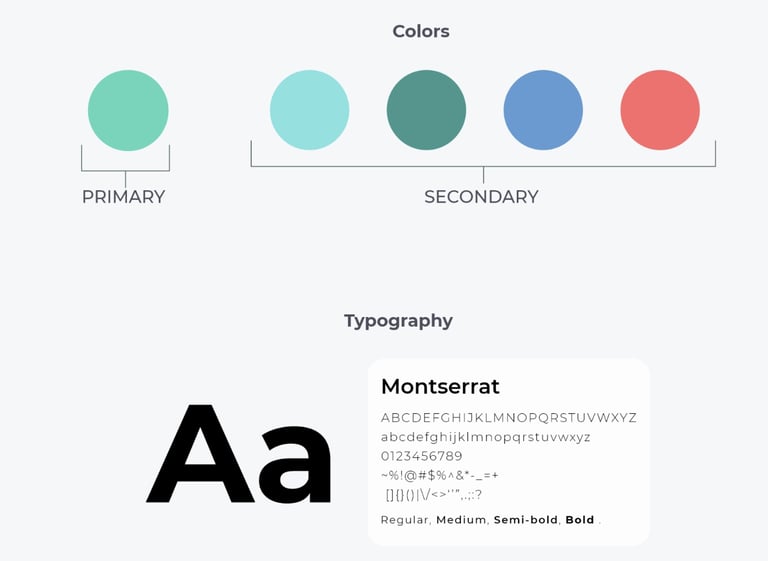
Design System Setup
Usability Testing
Information Architecture & Experience Design
Project Scope
Concept-to-prototype academic project addressing real-world waste management challenges.
Research & Discovery
Research Approach
The research phase focused on understanding existing scrap disposal practices and identifying key challenges faced by users before defining the solution space. The approach was exploratory and aimed at gaining clarity on user needs, behaviors, and expectations.
User Type Definition
After defining the concept and researching existing recycling practices, three primary user types were identified.
Customer - Individuals who want to dispose of household scrap in a convenient and responsible way.
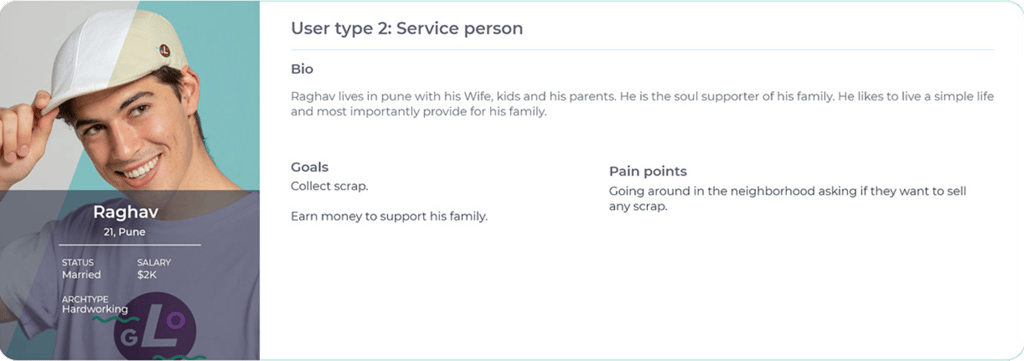
Service Person - Scrap collection agents responsible for picking up and managing recyclable waste from users.
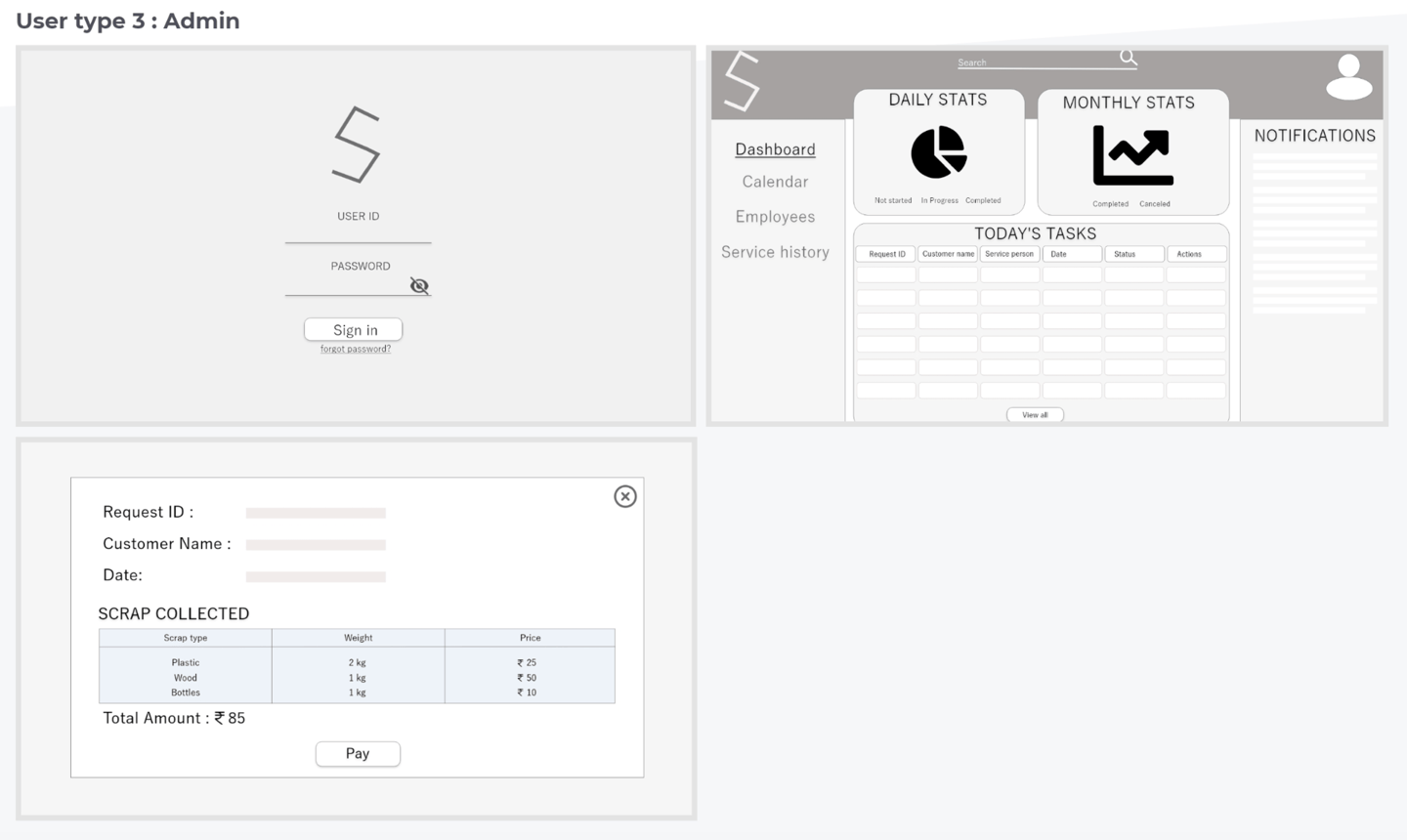
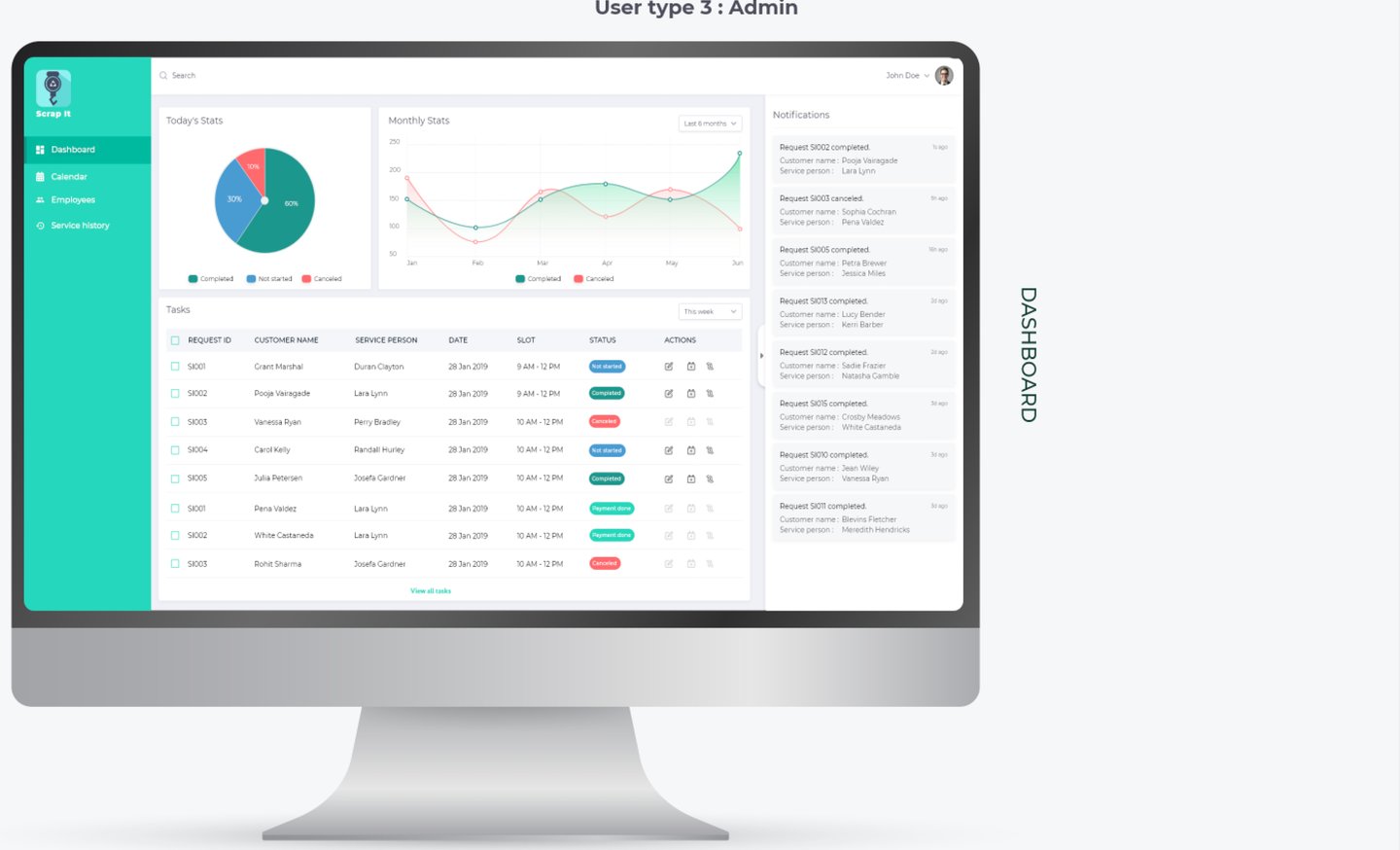
Admin - Administrators who oversee requests, manage users, and ensure smooth operation of the service.
User Interview
To understand user's daily routines, tasks, motivations, needs, and challenges, I conducted qualitative interviews with approximately 10 users. Below is an example from one user interview highlighting key challenges.
Question 1: What does your daily work routine look like?
I have a very busy schedule, especially on weekdays. Most of my day is consumed by office work. On weekends, I prefer spending time with my family and calling my relatives in India. Being away from family is difficult, so I make sure to take at least a month-long break every year to visit India.
Question 2: You have an apartment in Pune as well. How do you take care of it while living in a different country?
I have rented out the apartment, so my tenants inform me if there are any issues. I also make it a point to visit the apartment whenever I am in India. This year, the tenants vacated the flat, and I decided to renovate it before renting it out again. During the renovation, I realized how much unwanted material had accumulated over time.
Question 3: How did you get rid of all the scrap in your apartment during renovation?
Initially, I wasn’t sure what to do with the scrap. Eventually, I contacted a scrap picker to collect it from my apartment.
Question 4: Did you face any hurdles while doing so?
It was difficult to get in touch with the scrap picker, and I had to wait a long time for him to arrive.
These interviews helped uncover recurring challenges around convenience, accessibility, and reliability in scrap disposal.
Key Insights
Users delay scrap disposal due to busy schedules and lack of convenient, reliable options
Scrap pickup is largely dependent on manual coordination, making the process inconsistent and time-consuming
Users prefer a scheduled, hassle-free pickup experience over calling or waiting for scrap collectors
Lack of visibility into pickup timelines creates frustration and uncertainty for users
Synthesized from qualitative user research and observations.
Persona
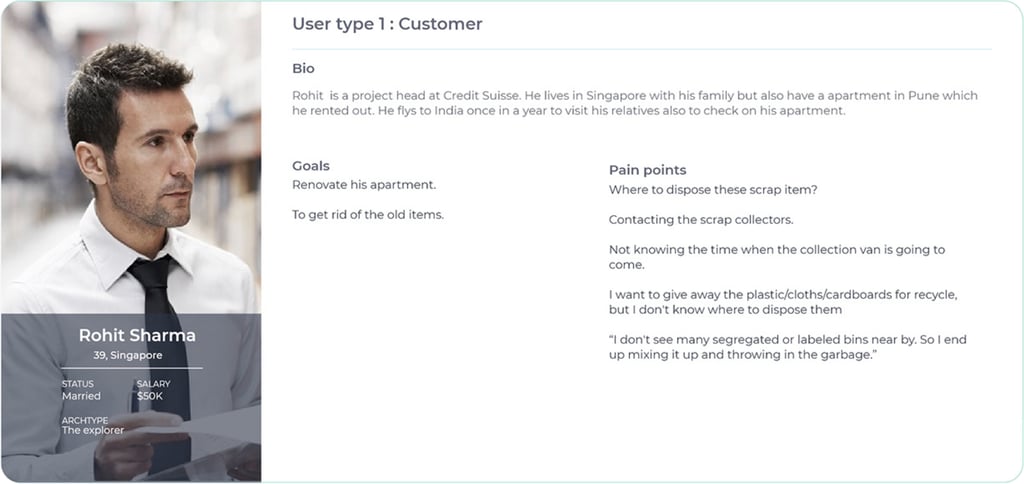
Based on user research and insights gathered during the discovery phase, personas were created to represent the primary user groups and guide design decisions throughout the project.
Scenario
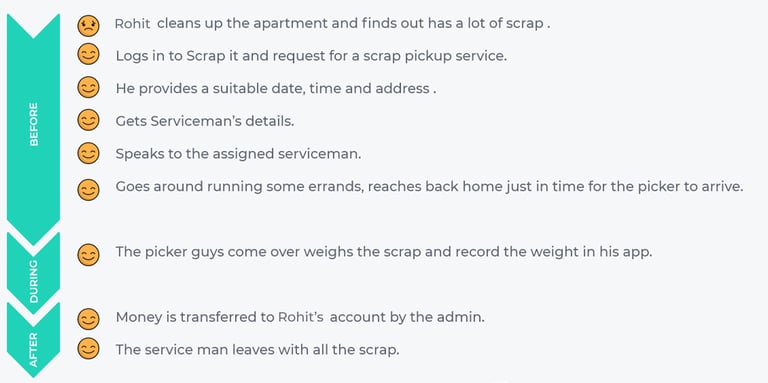
Rohit owns an apartment in Pune, which he had rented out along with some furniture. When his tenants moved out, he decided to renovate the apartment before renting it again.
During the renovation process, Rohit discovered a large amount of unused items such as old books, clothes, and electronic waste that needed to be disposed of responsibly. Since he does not stay in Pune regularly, coordinating scrap disposal became difficult.
Rohit did not want to discard the items irresponsibly on the roadside. He had to rely on neighbors for information and make multiple phone calls to reach scrap collectors, often waiting a long time for a response. The lack of a reliable and structured way to manage scrap disposal made the process time-consuming and frustrating.
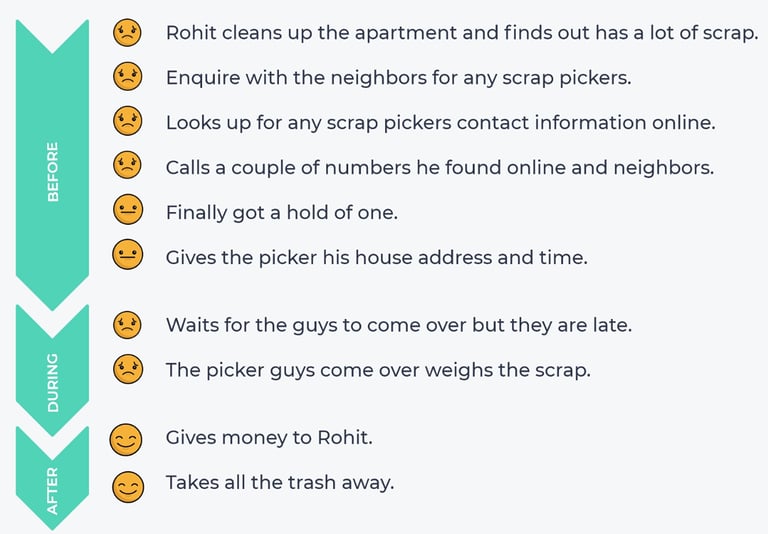
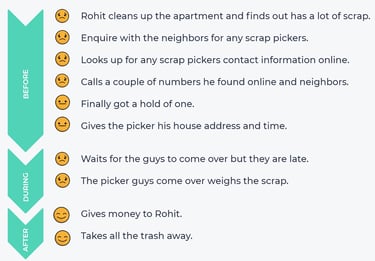
Pre-journey Map
Solution Development
Approach
Based on research insights and identified user needs, the solution was developed through iterative design exploration and validation. This phase focused on defining features, structuring information, and translating ideas into tangible design artifacts.
Feature Conceptualisation & Card Sorting
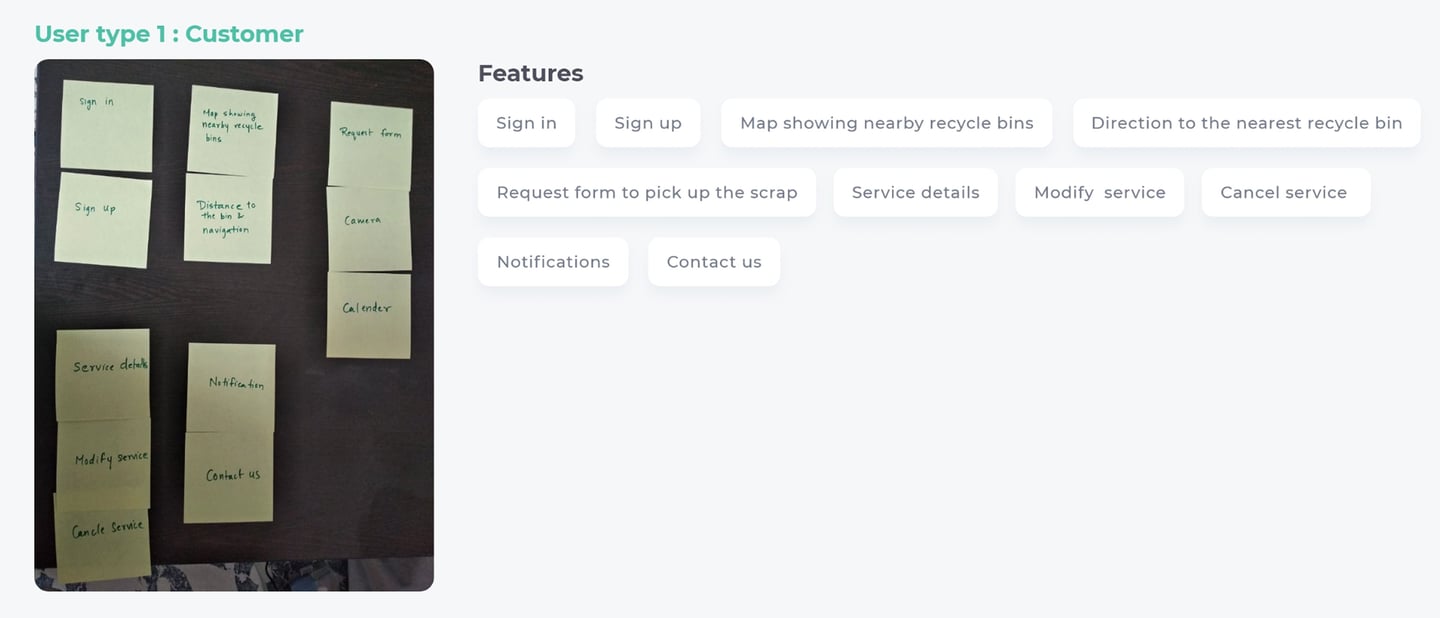
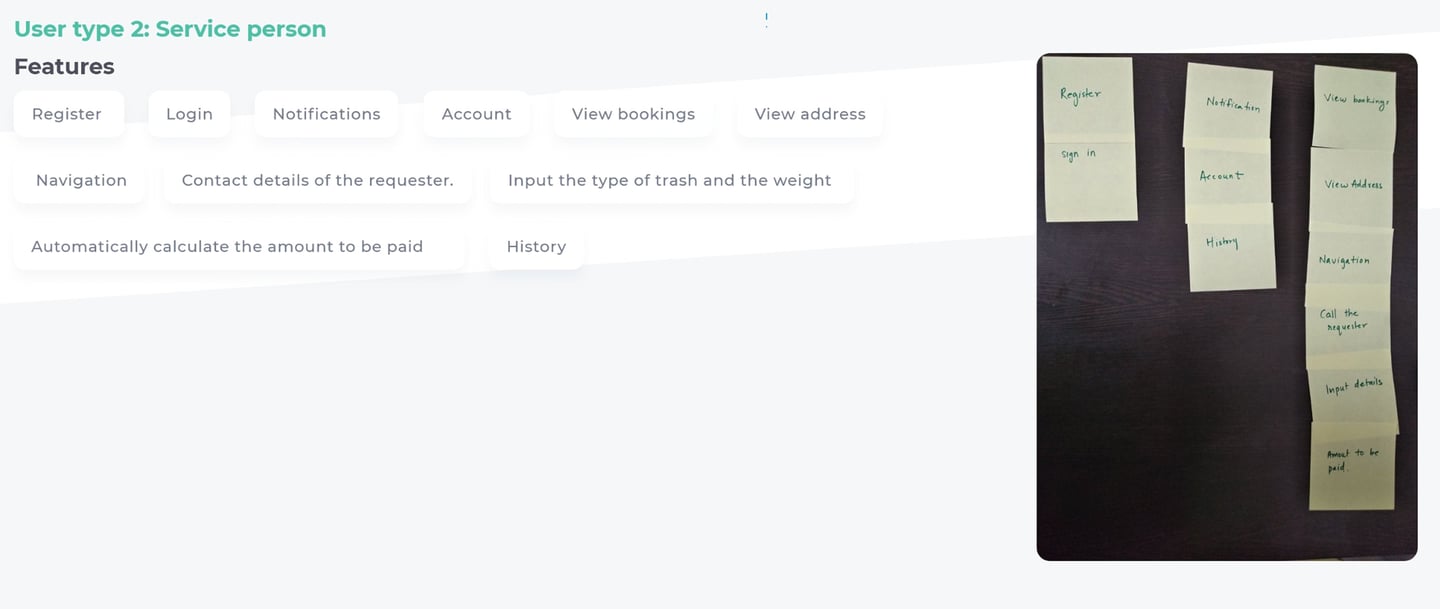
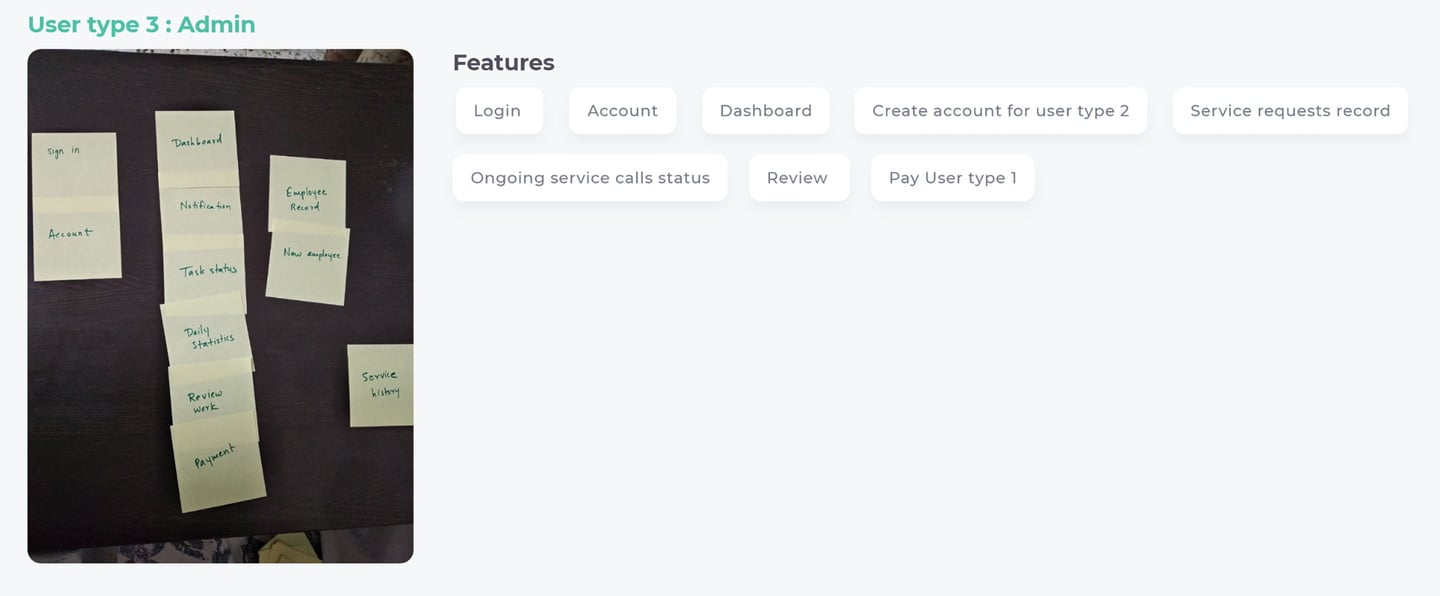
Sitemap
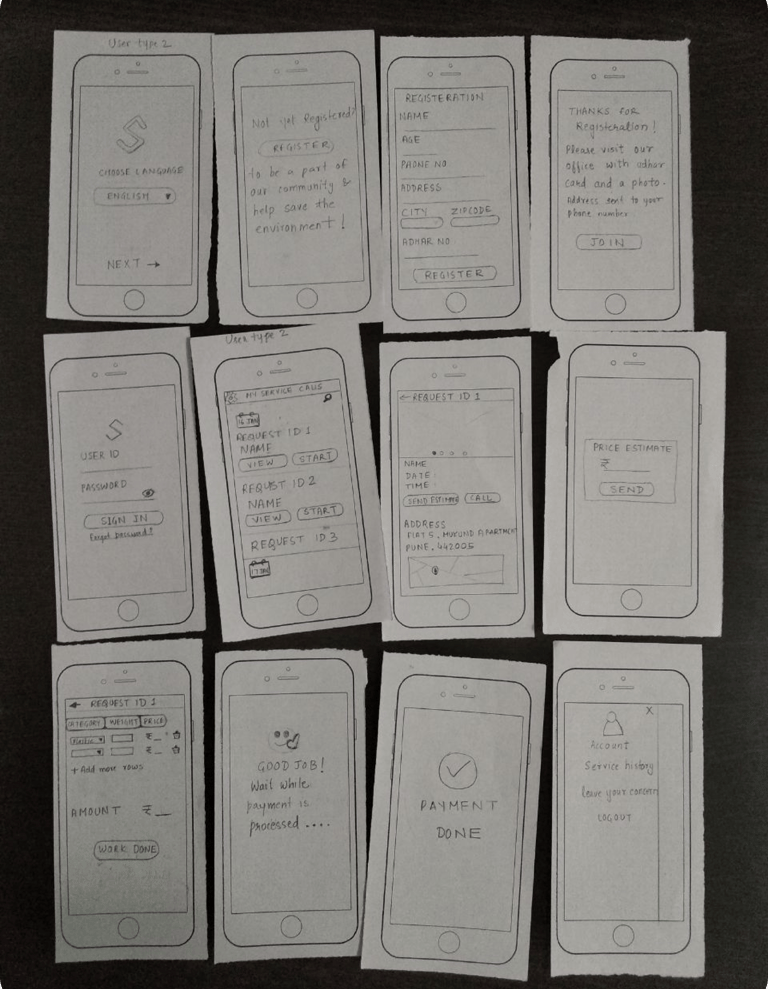
Paper Prototyping
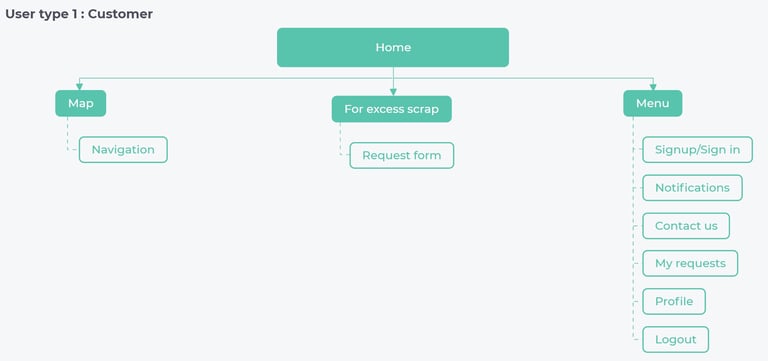
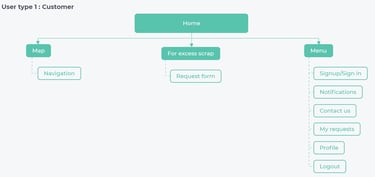
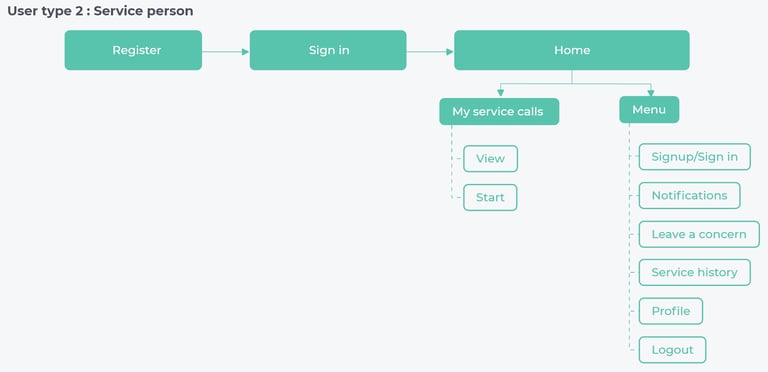
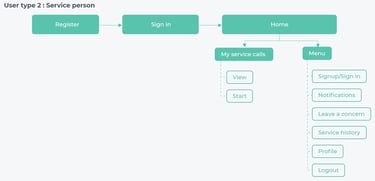
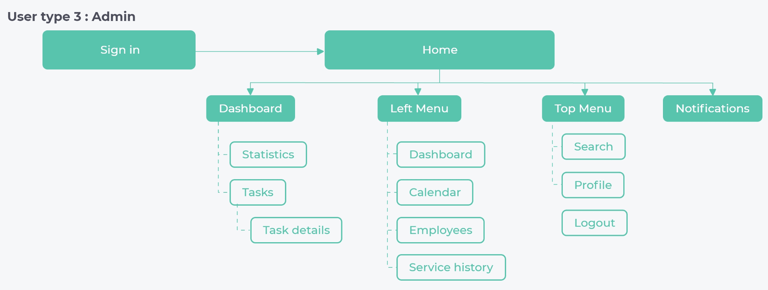
To support different user needs and responsibilities, separate sitemaps were created for each user role. This helped define clear navigation paths and ensured that features were accessible and relevant based on the user’s context.
Wireframes
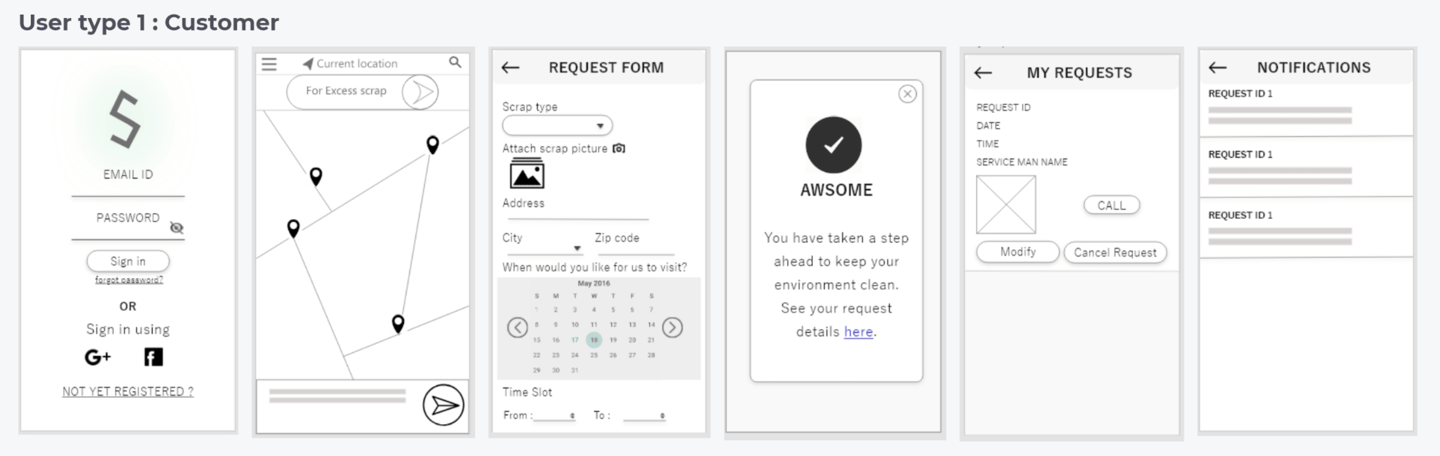
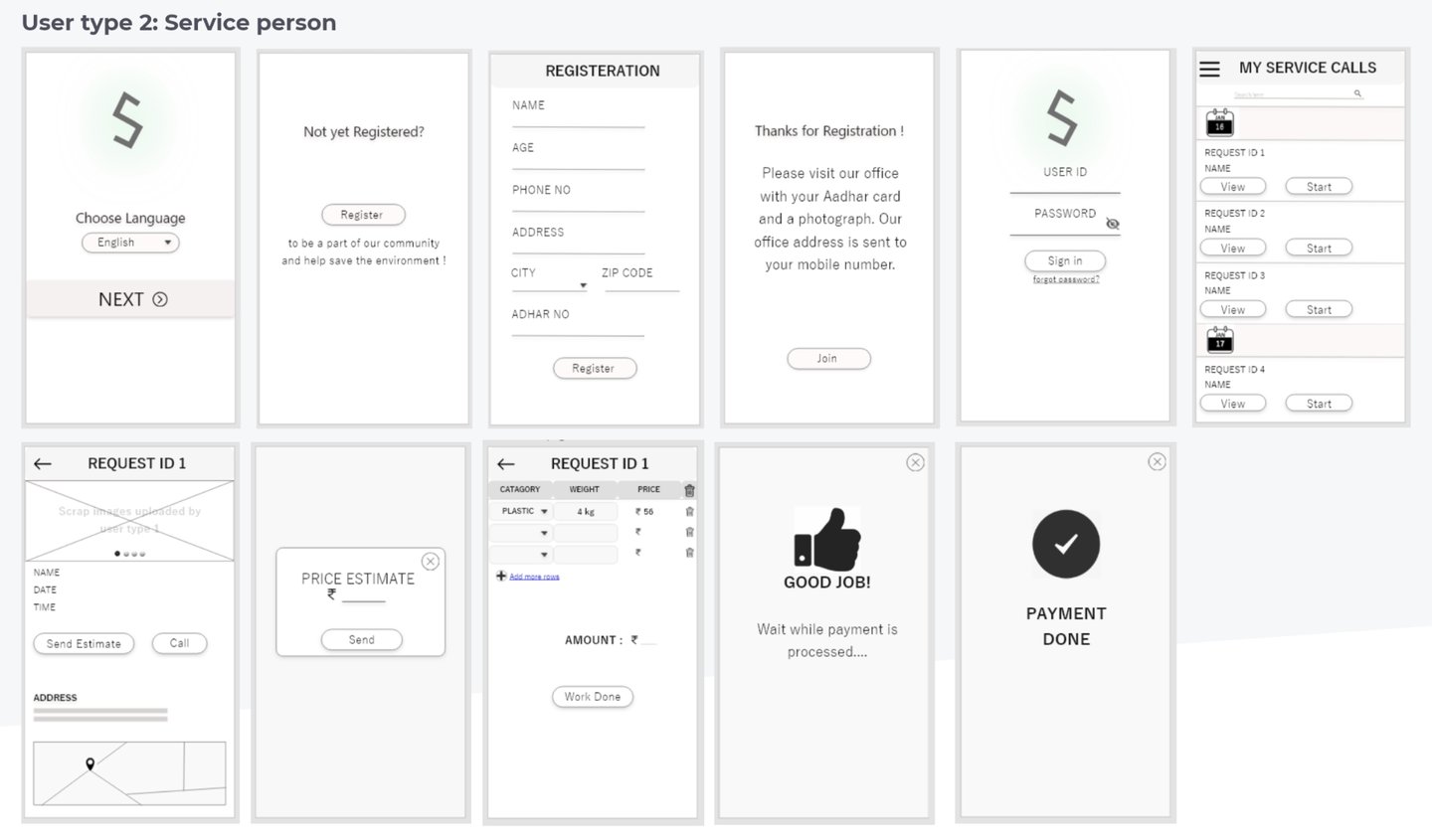
Styleguide
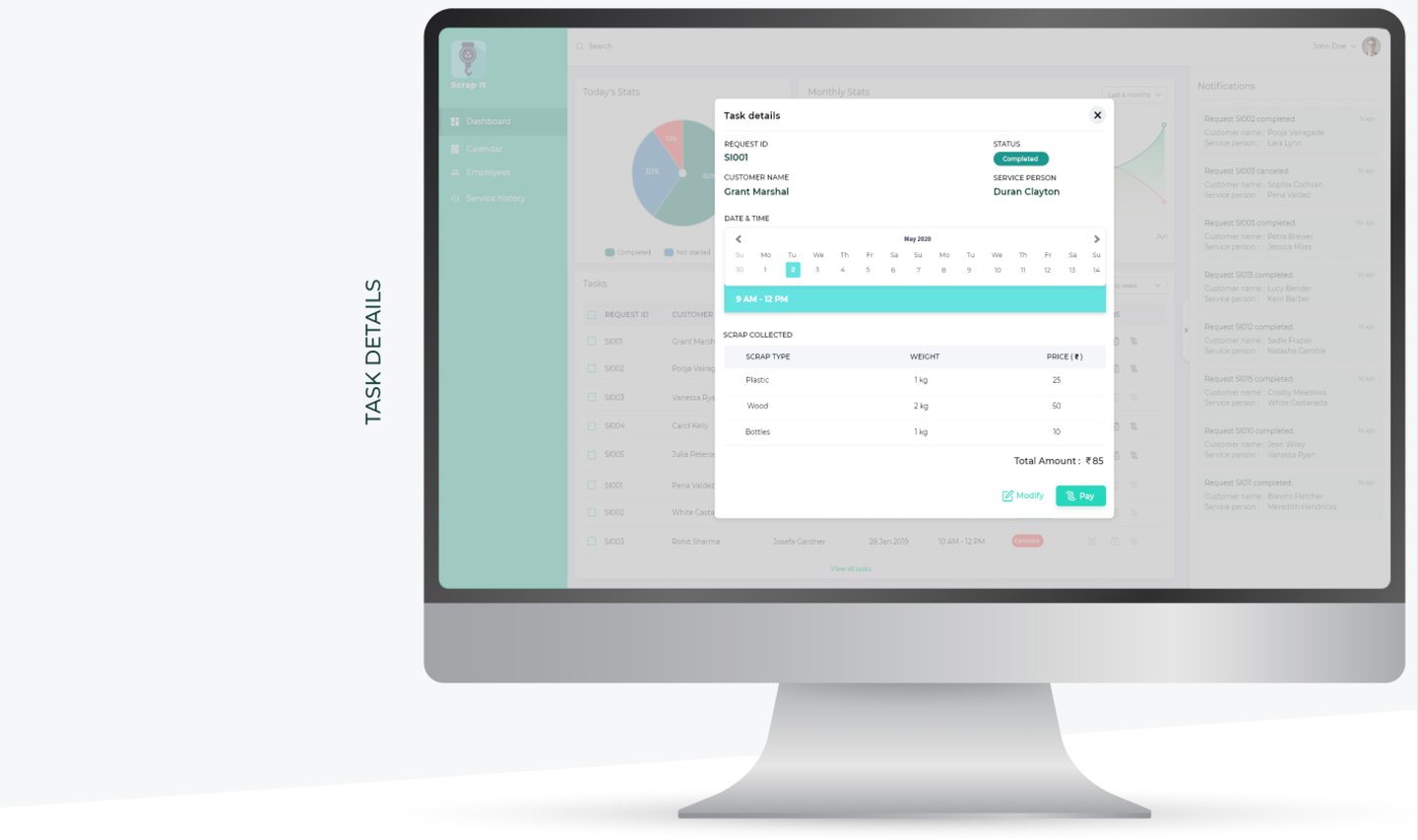
Prototype
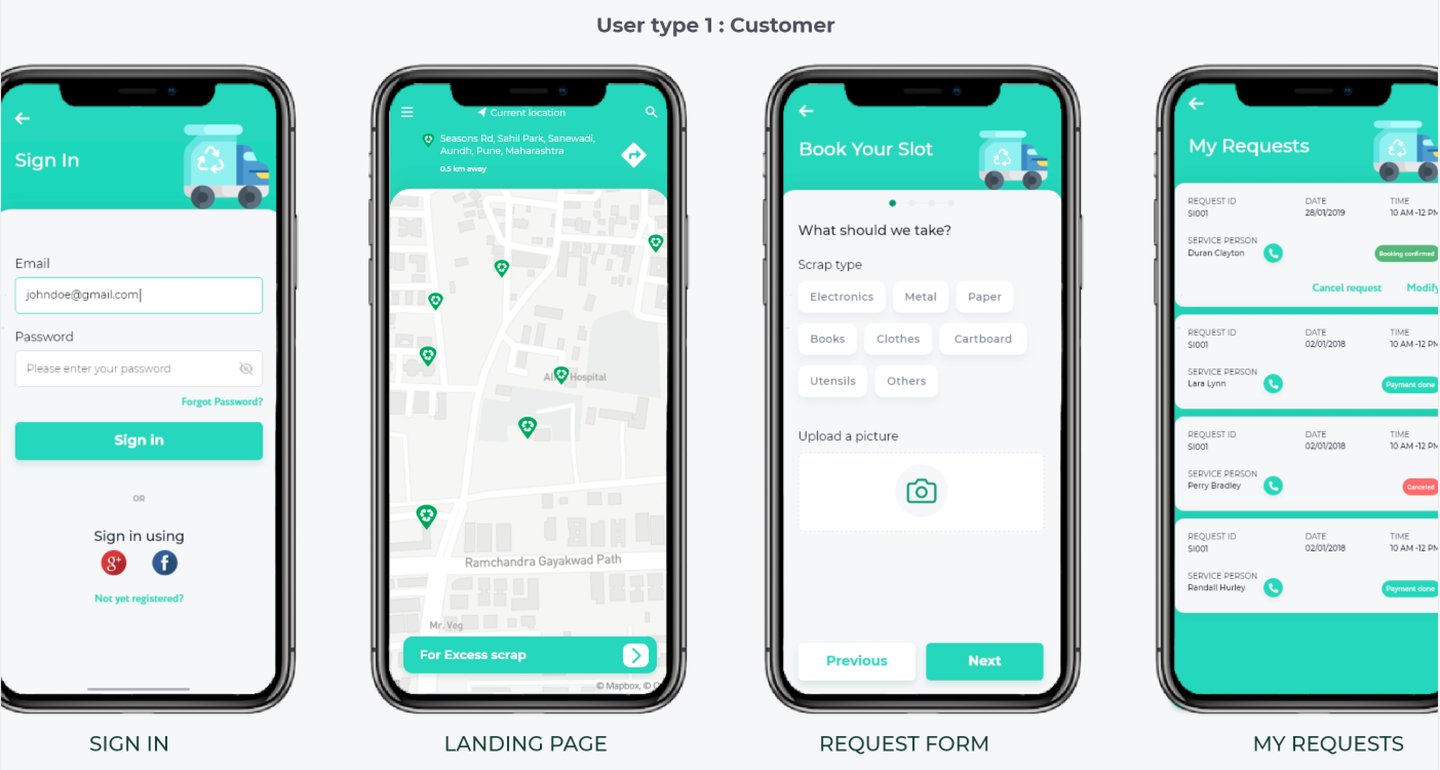
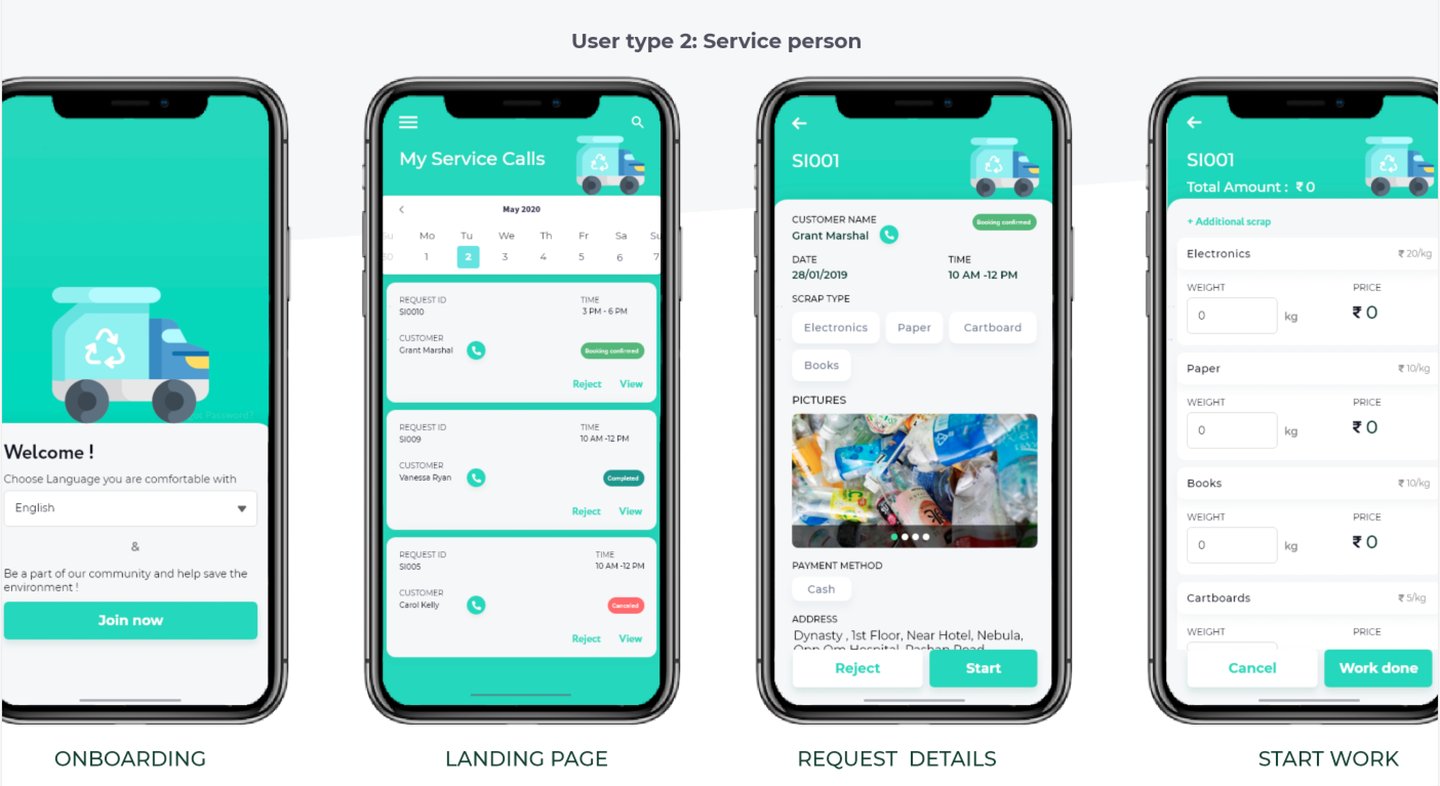
Post journey map
Key Reflections
Challenges Faced
Defining the right problem scope
Translating a broad real-world issue like waste management into a focused, solvable UX problem required careful prioritization.
Designing for multiple user roles
Balancing the needs of customers, service persons, and admins while keeping each experience simple and intuitive was challenging.
Limited access to real-world constraints
As a conceptual project, validating assumptions around operational workflows and scalability was limited.
Learnings
Research drives clarity
User interviews and early discovery helped avoid assumptions and guided more meaningful design decisions.
Structure improves usability
Clear information architecture and role-based navigation significantly reduced complexity across the experience.
Early iteration saves time
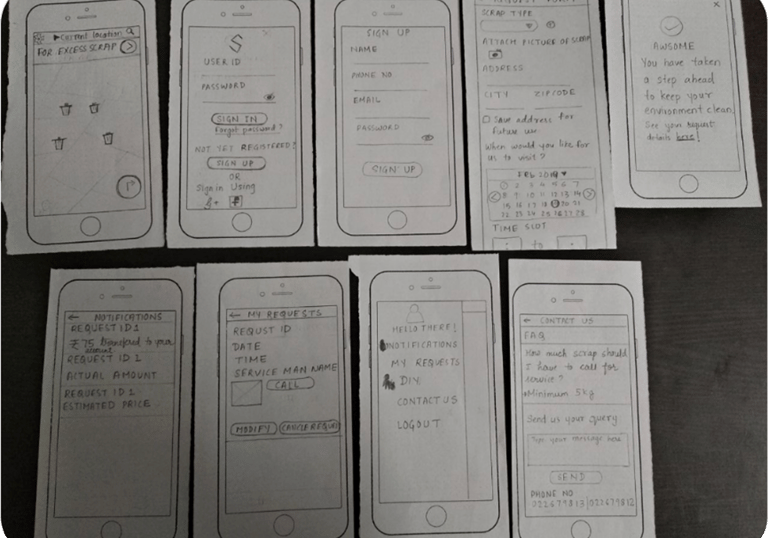
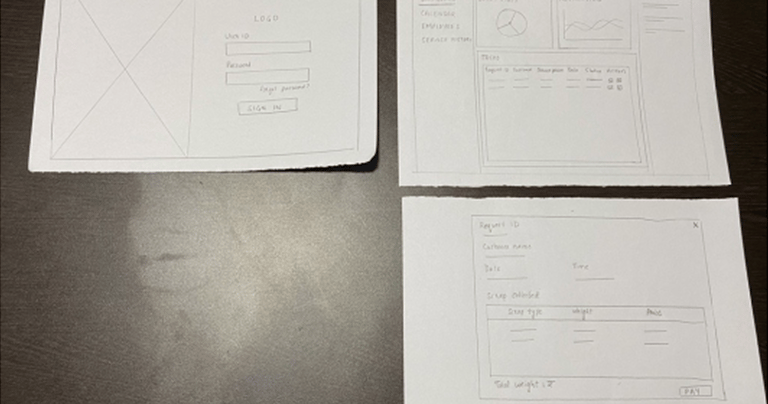
Paper prototyping and wireframing helped identify usability issues early before moving into detailed visual design.
Explore Other Projects
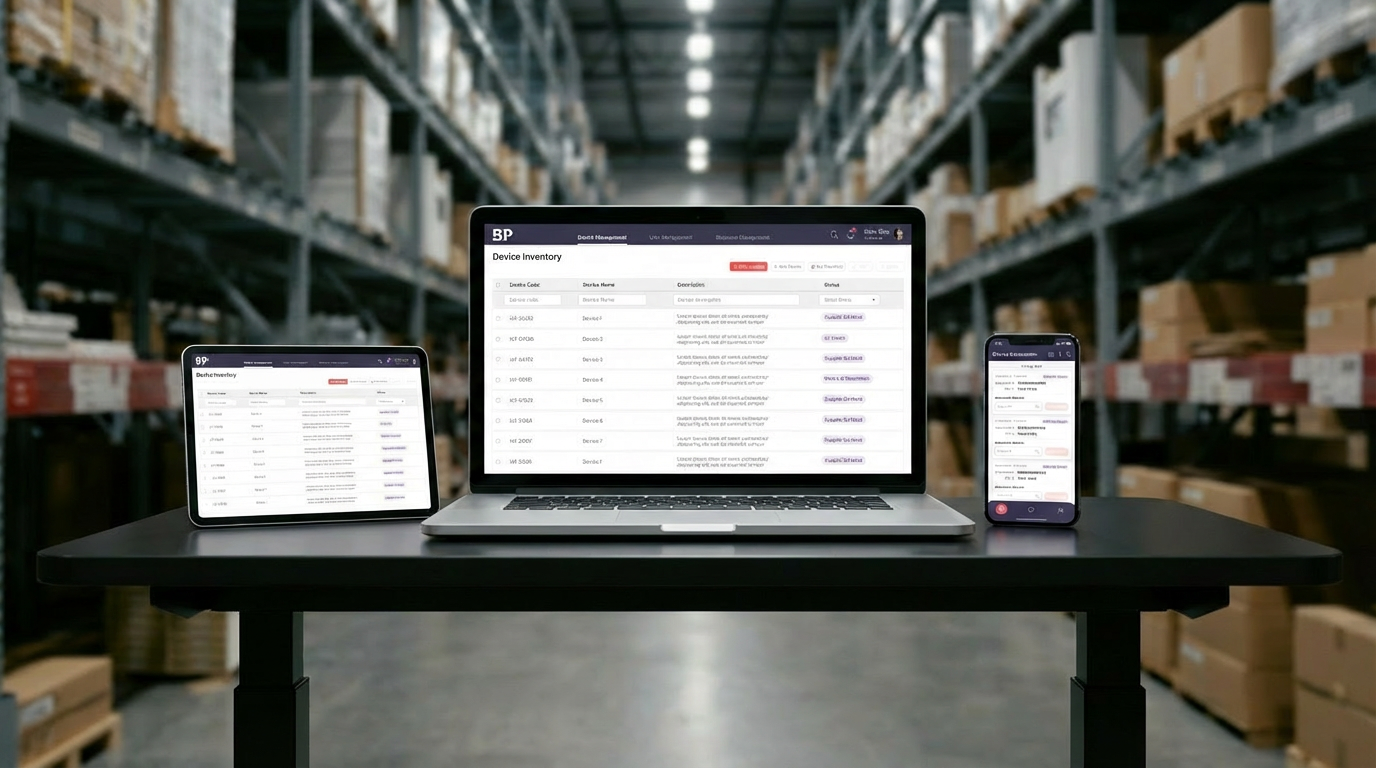
Shipment Management & Tracking Solution
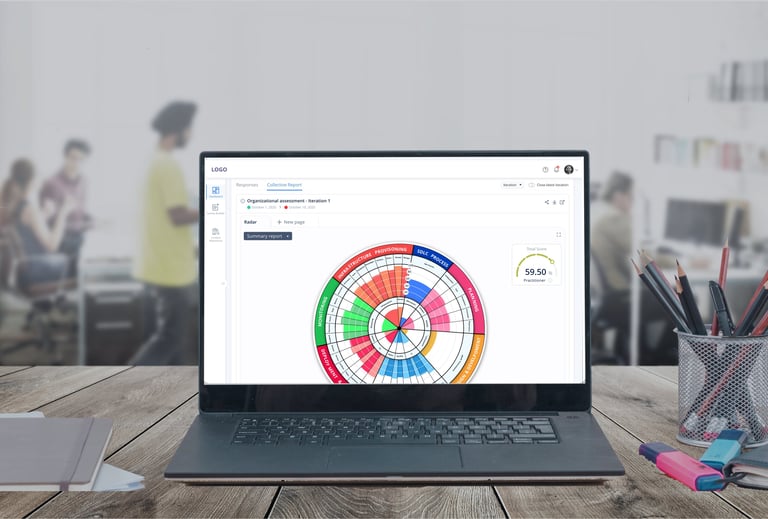
Enterprise Maturity Assessement Tool
Digital Mental Health Platform
© 2026. All rights reserved.