
Shipment Management & Tracking Solution .
An IoT-enabled platform for real-time shipment tracking and visibility.
case study
Role
UX Designer
Duration
4 Months
engagement type
Individual Contributor
Adobe XD
tools
Project Overview
Main Objective
Ensuring end-to-end visibility and control across shipments.
Workflow
Attach IoT sensors to the Shipments to keep a track. The IoT sensors provide ongoing data to help shippers continually monitor environmental conditions and take any necessary measures to prevent damage or spoilage to the cargo.
Target Audience
Warehouse managers and shipping supervisors managing warehouse operations, dispatch, and shipment tracking.
My Contributions
UX Research & Problem Framing
Stakeholder Collaboration
Wireframing & Prototyping
Design System Setup
Usability Testing
Information Architecture & Experience Design
How It Works
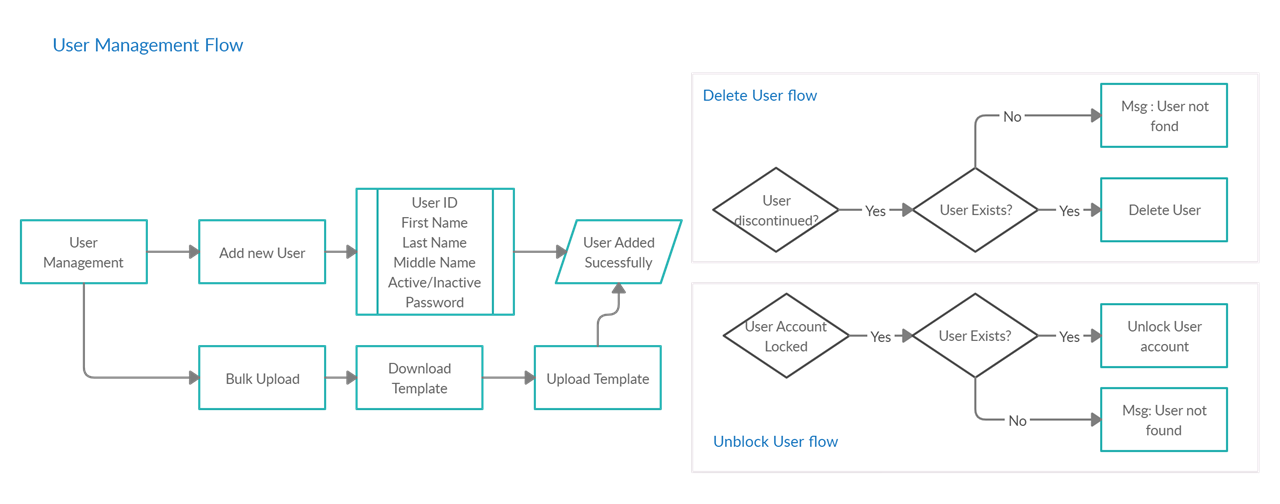
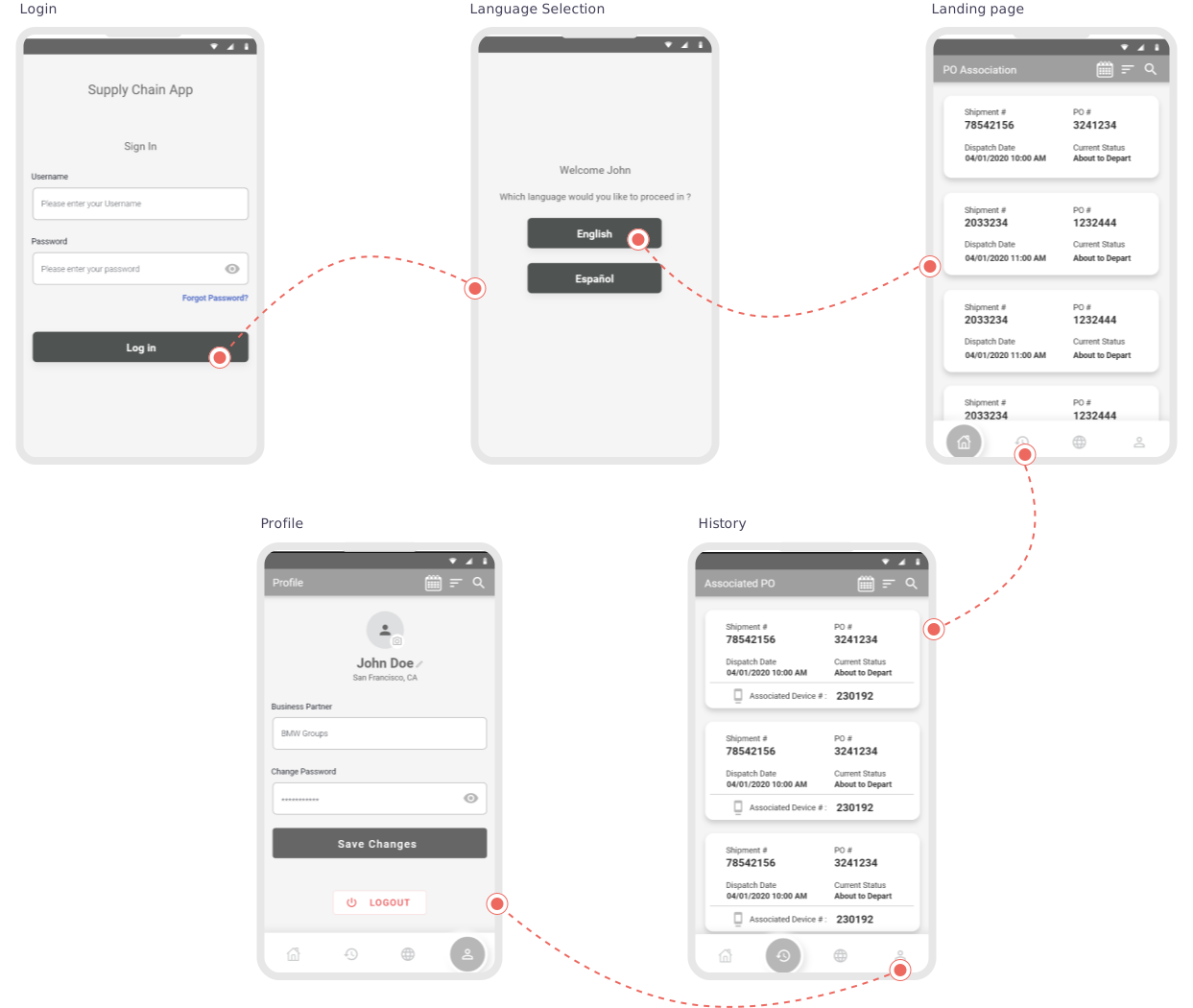
Supplier attach a IoT device to each Shipment before the PO is departed from the Warehouse.
Goal is to :
Attach device to each shipment before sending it out
Keep a track of each Shipment- device association
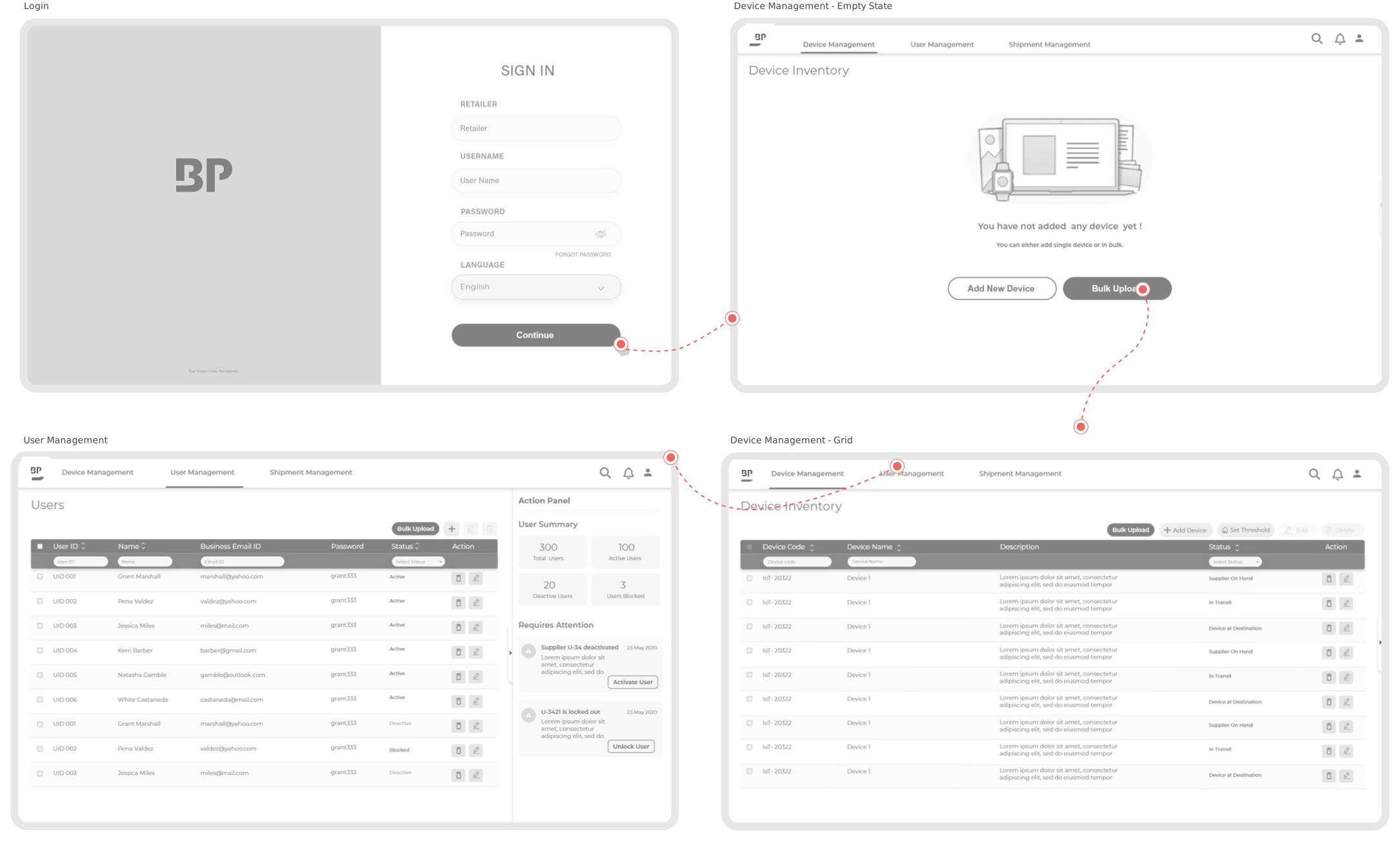
Maintain device inventory
Know the where about of the shipment as well as devices.
Solution
Omni Business Partner solution is to simplify the Shipment-Device association process.It helps cater to the above needs which in turn increases the efficiency of supply chain.
Research & Discovery
Research Methods
To understand operational challenges and validate MVP priorities, a mixed-method research approach was adopted:
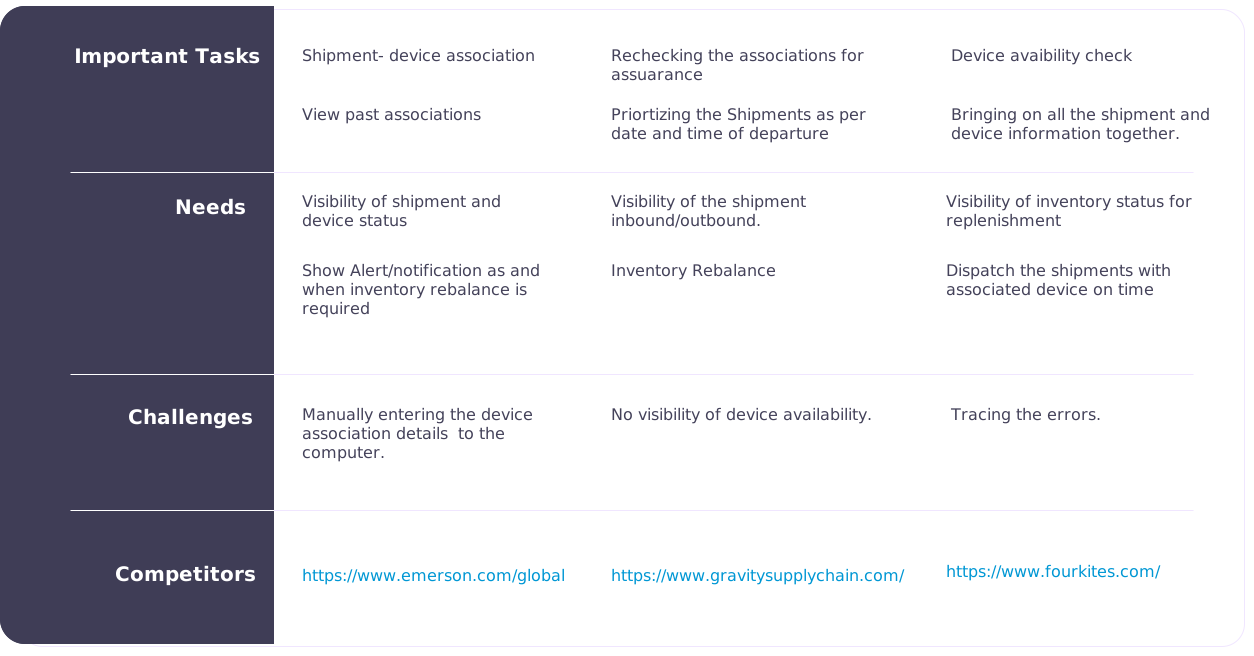
Interview Summary
Insights from stakeholder discussions and user research were synthesised to identify the most critical tasks, unmet needs, and operational challenges. These findings directly informed the initial set of MVP features and priorities.
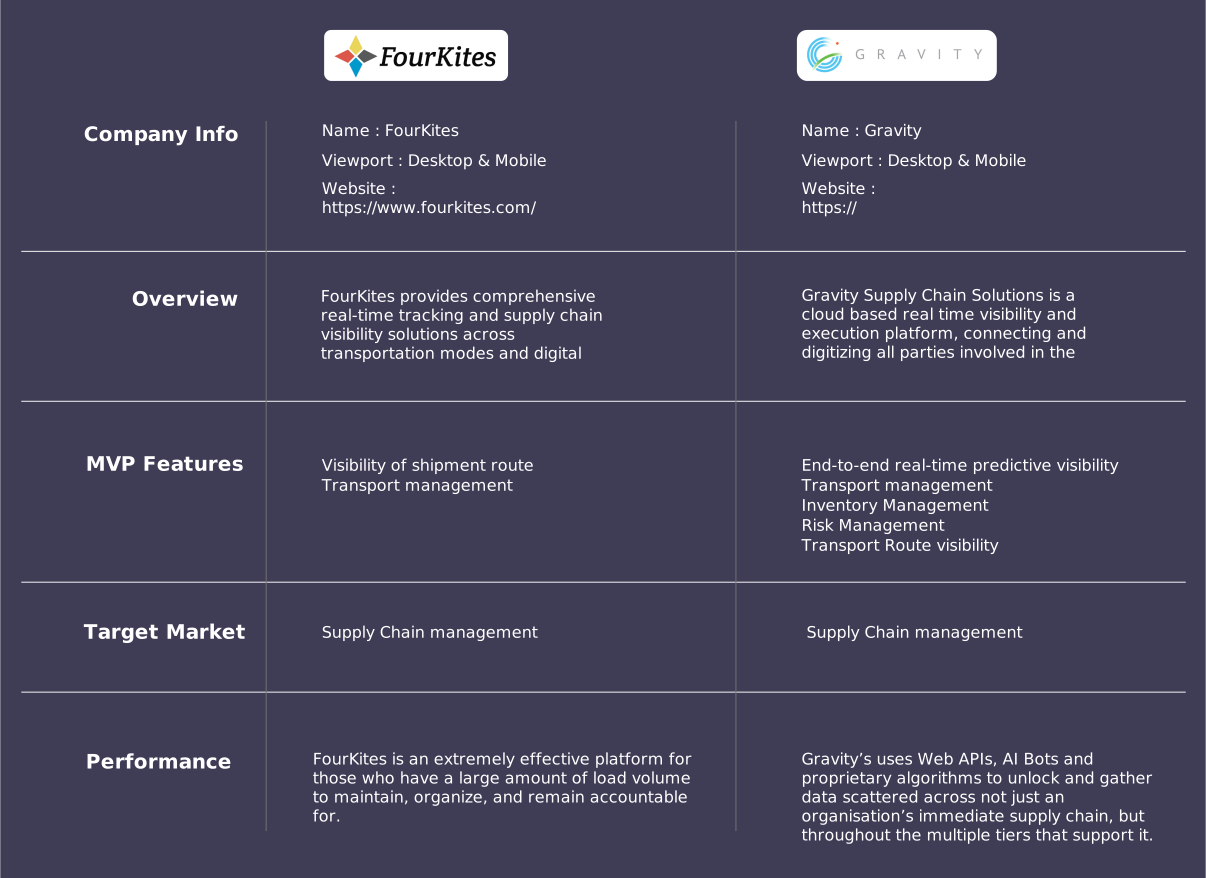
Competitor Analysis
We analysed leading shipment visibility platforms to understand common patterns, gaps, and differentiation opportunities. This helped identify which capabilities were table stakes and where our MVP could focus on clarity, speed, and operational efficiency.
Persona
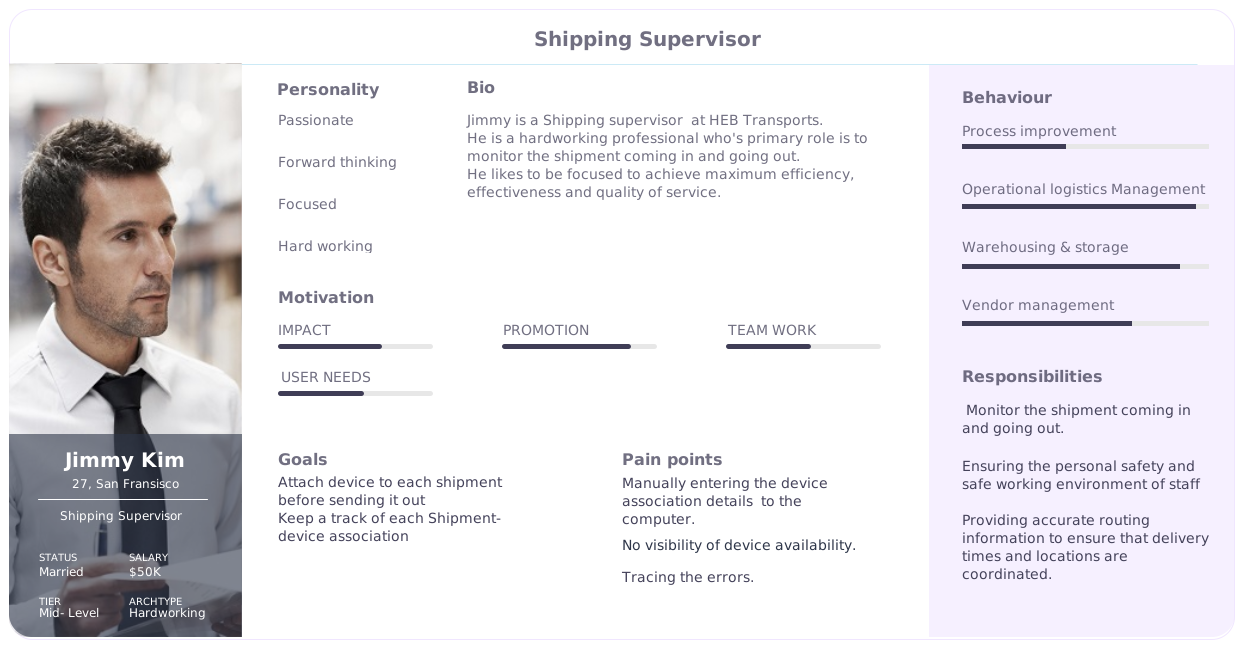
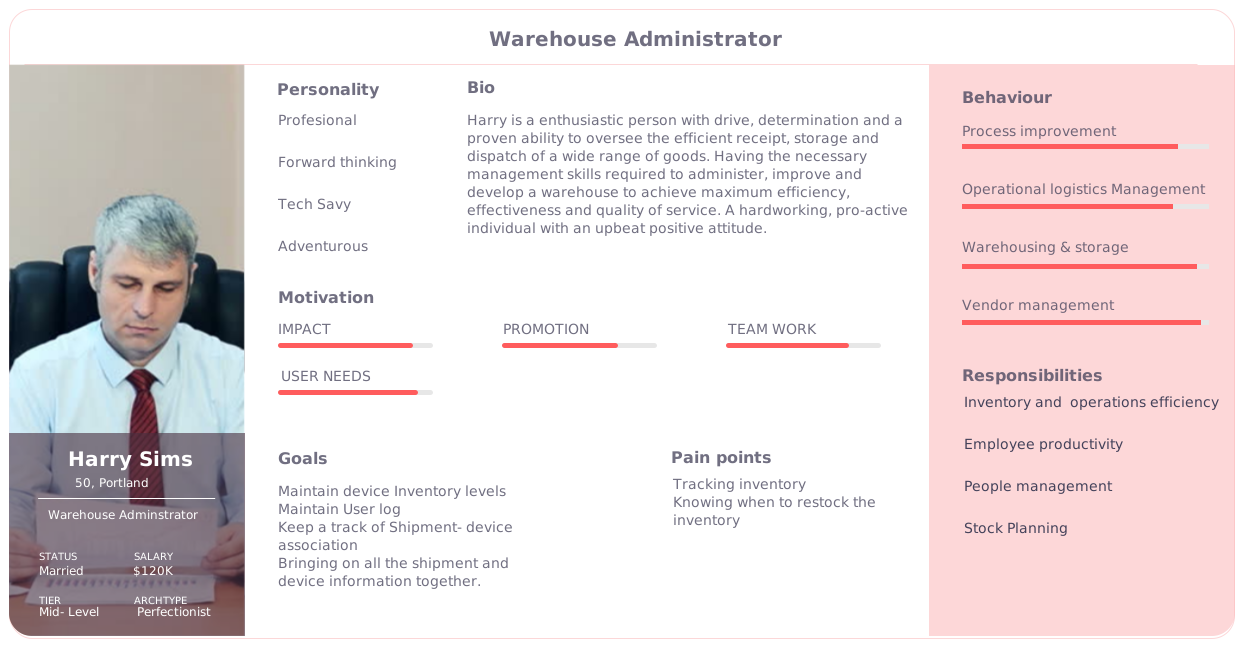
Based on stakeholder interviews, user interviews, and survey insights, two primary personas emerged as critical users of the shipment management and tracking solution.
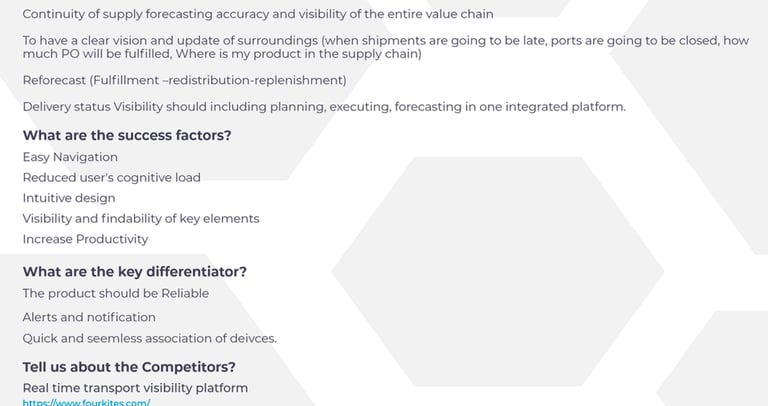
Stakeholder Interviews
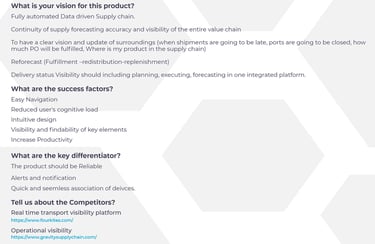
The main agenda of this meeting was to get an understanding of the overall product, vision and roadmap and also to get insight on the thought process of C Level executives . We interviewed 4 Stakeholders to align on business goals, success metrics, and key differentiators. The questions focused on long-term vision, operational challenges, success factors, and competitive landscape, helping shape the foundational direction of the product.
Focus Group Discussion
The primary agenda of this meeting was to understand the requirement, technology stack and challenges faced by our users. To get a better picture we had a round of discussion guided by the product Owners, and attended by scrum masters, Lead developers stakeholders.
User Interview
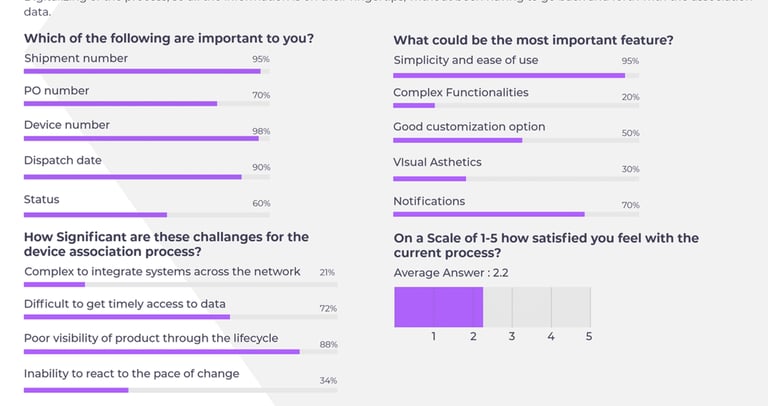
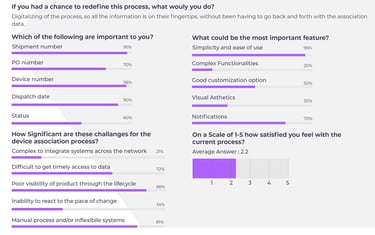
To understand our users daily routine, the tasks they perform, their needs, motivations and challenges we conducted remote one on one user interview with 15 users from various locations, through Zoom. We also ran a survey around 300 users.
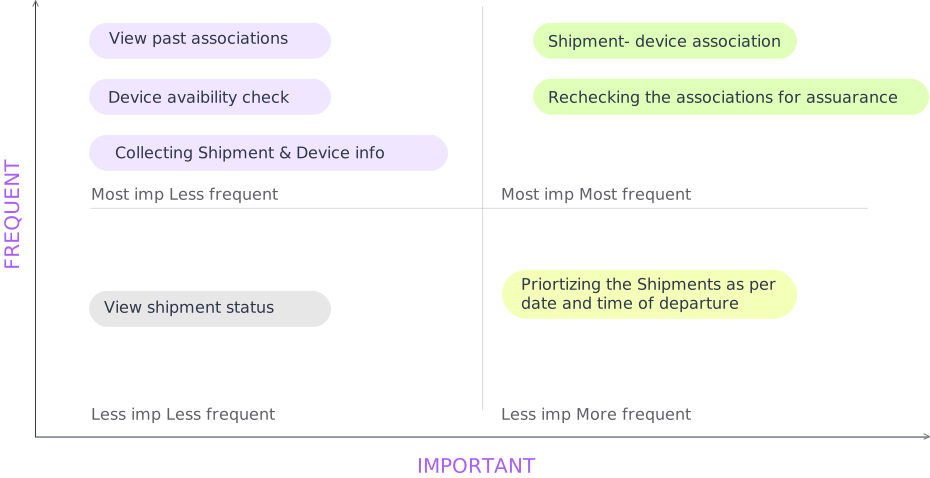
Most Important * Most Frequent Tasks
To prioritise the scope, we mapped user tasks by importance and frequency. This helped us focus first on workflows that were both business-critical and performed most often, ensuring the solution delivered immediate operational value.
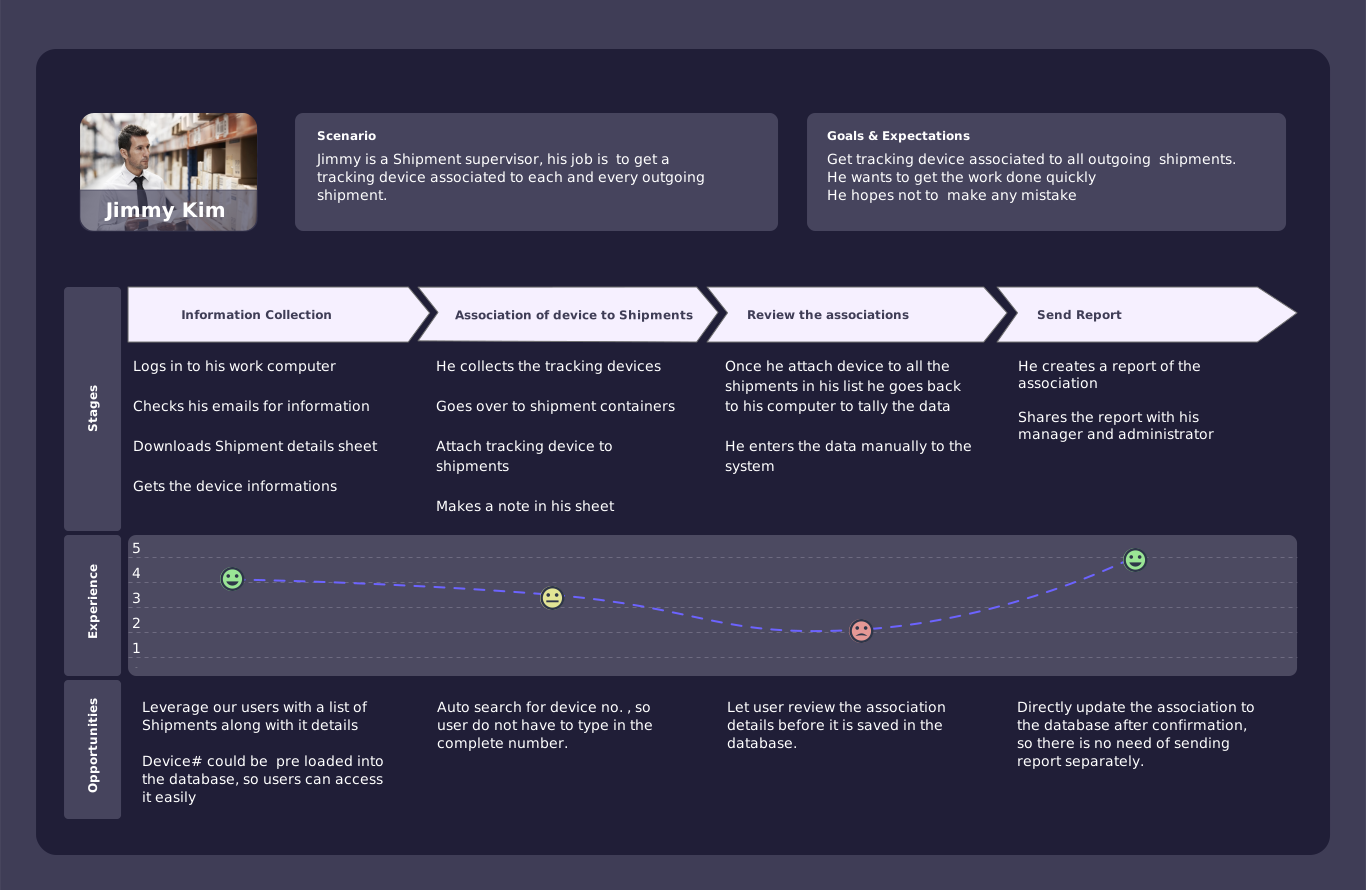
Shipping Supervisor
Shipping Supervisors focus on day-to-day execution, ensuring shipments leave the warehouse as scheduled and reach their destination without issues. They frequently monitor shipment status, verify associations, and respond to exceptions such as missing devices or delayed dispatches.
They require quick access to real-time shipment information, alerts, and prioritization cues to act fast and keep operations running smoothly, especially during peak dispatch hours.
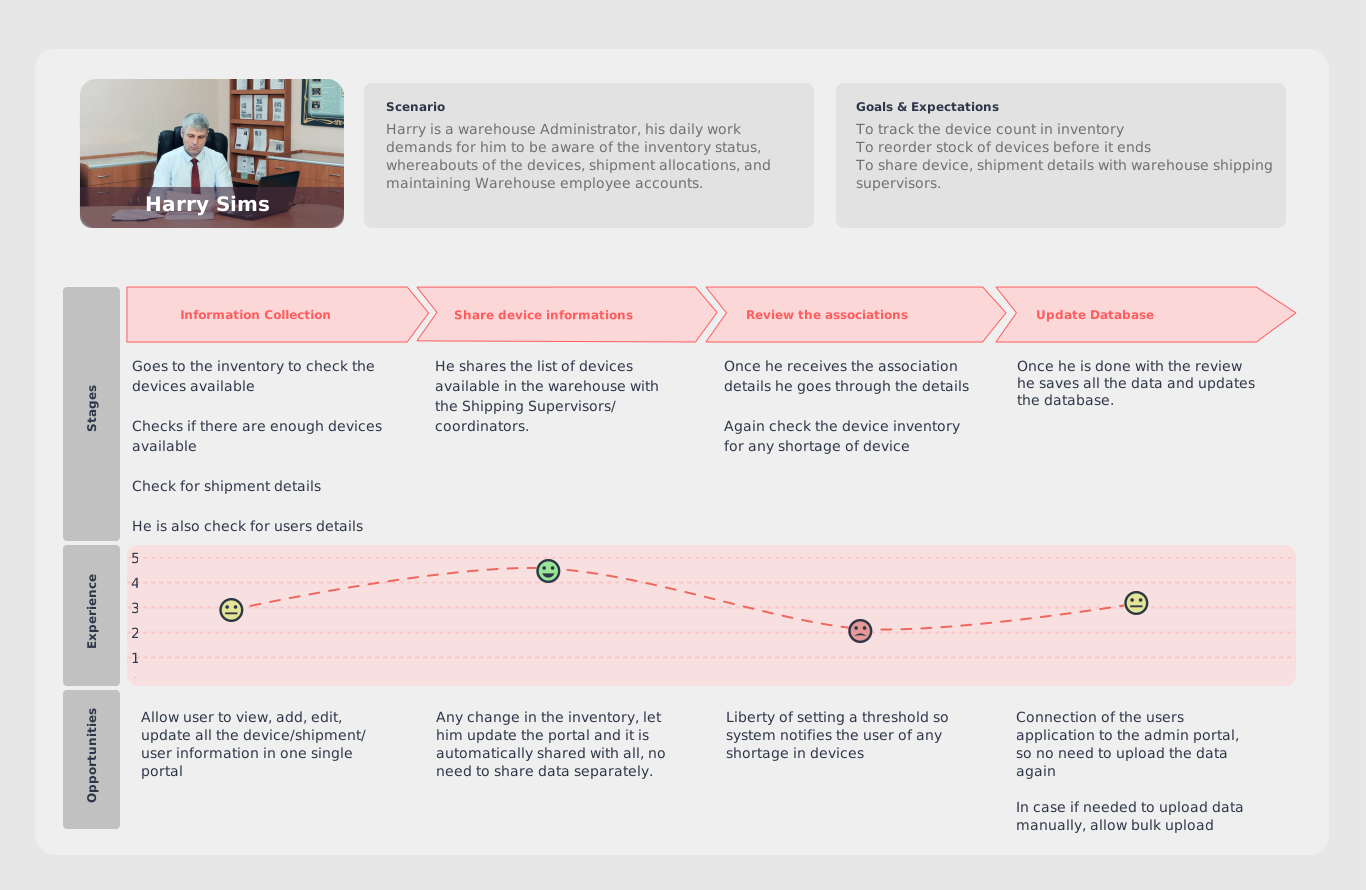
Warehouse Administrator
Warehouse Managers oversee storage, device inventory, shipment dispatch, and overall warehouse operations. They are responsible for ensuring that each shipment is correctly prepared, associated with the right IoT device, and dispatched on time.
They need clear visibility into shipment–device associations, device availability, and shipment status to reduce delays, prevent errors, and maintain operational efficiency. Manual tracking, fragmented systems, and last-minute checks significantly increase their cognitive load and risk of shipment delays.
Customer Journey Map
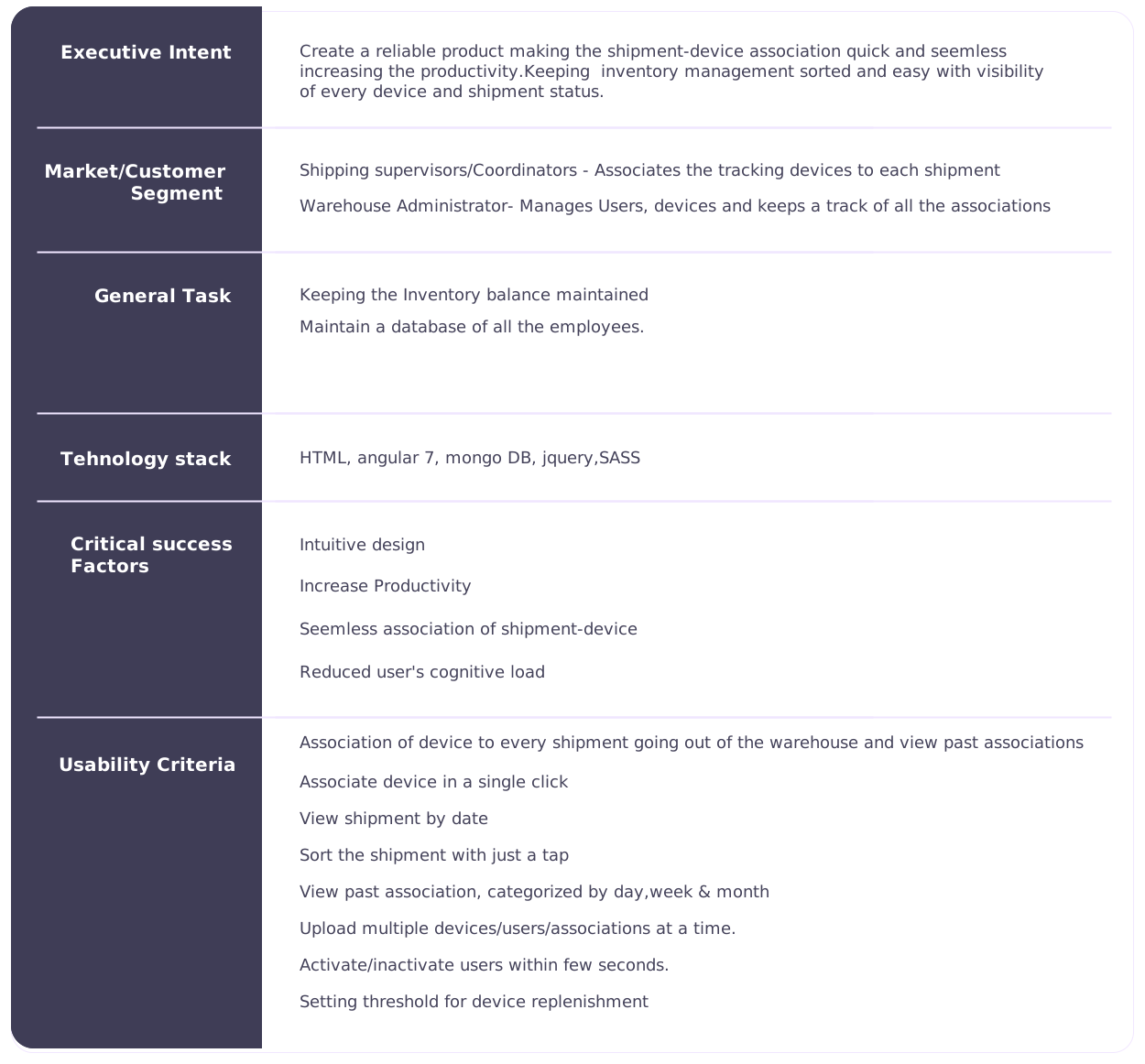
Design Statergy
Empathizing with our stakeholders and users was essential to understand the direction we should take, the problem we'd solve and how we'd solve them.We decided to design a product that will help the Shipping supervisor/coordinators to associate the devices easily and to provide a solution for warehouse administrator to maintain all the data. We started out our next phase by laying down our design statergy.
Solution Development
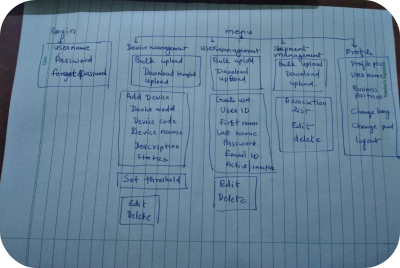
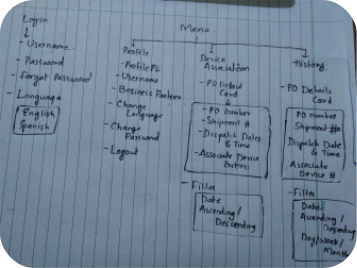
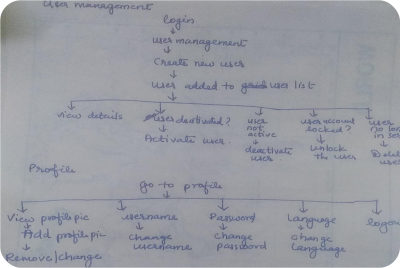
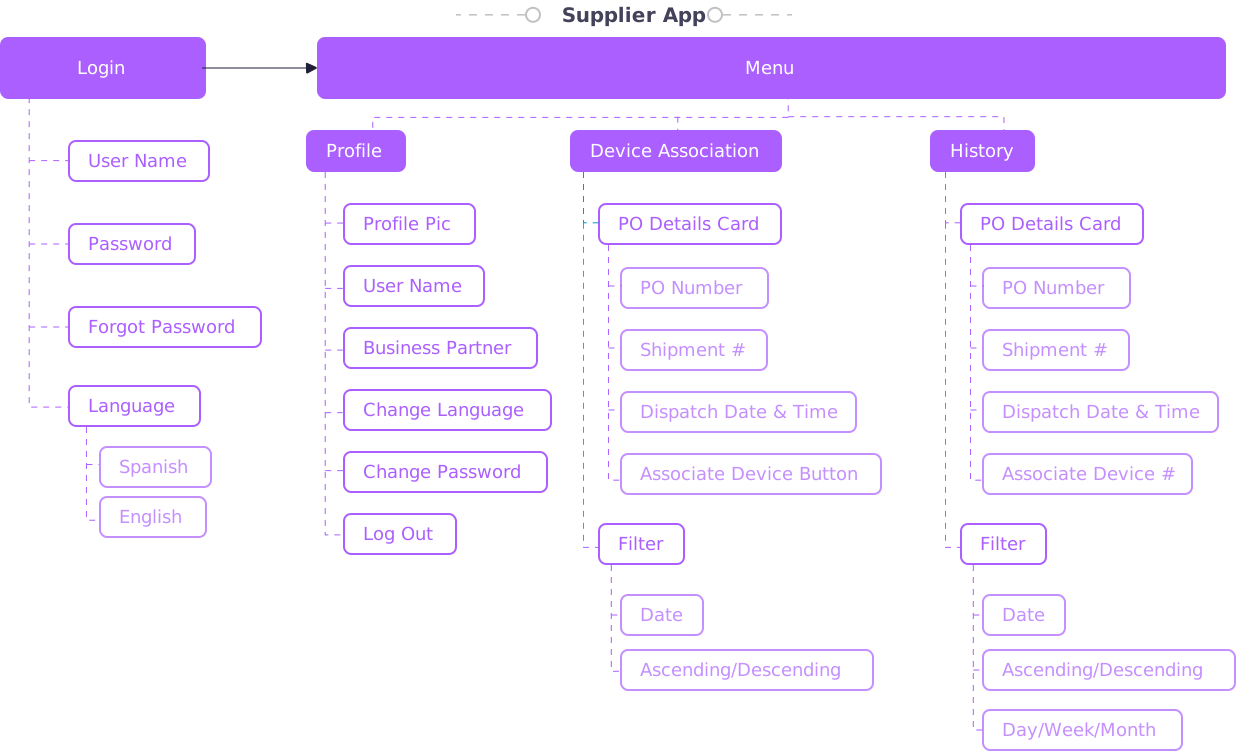
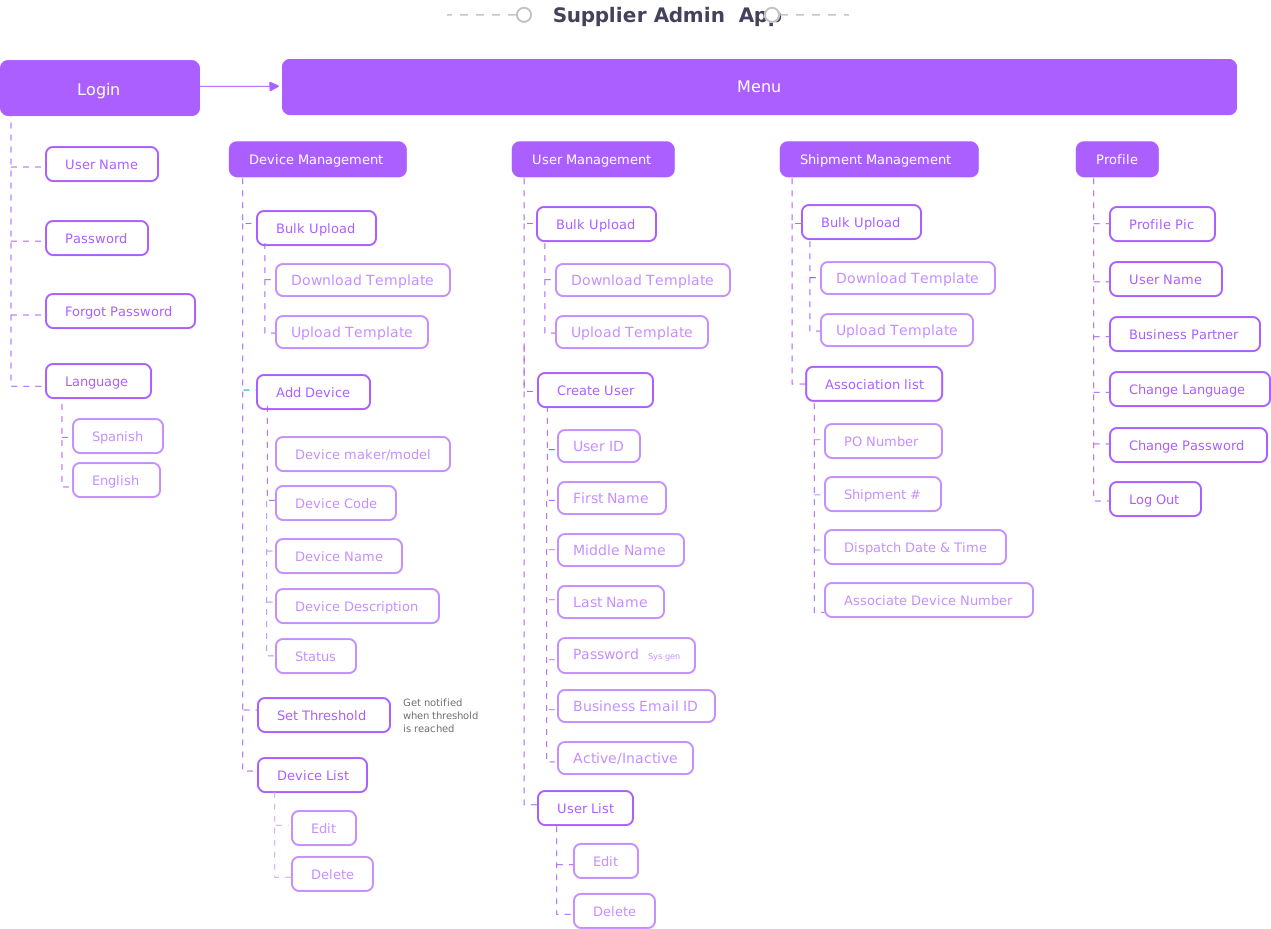
Information Architecture
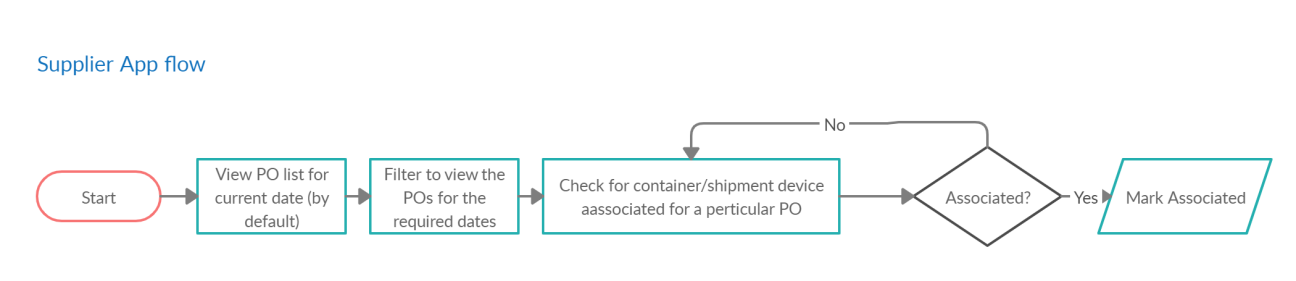
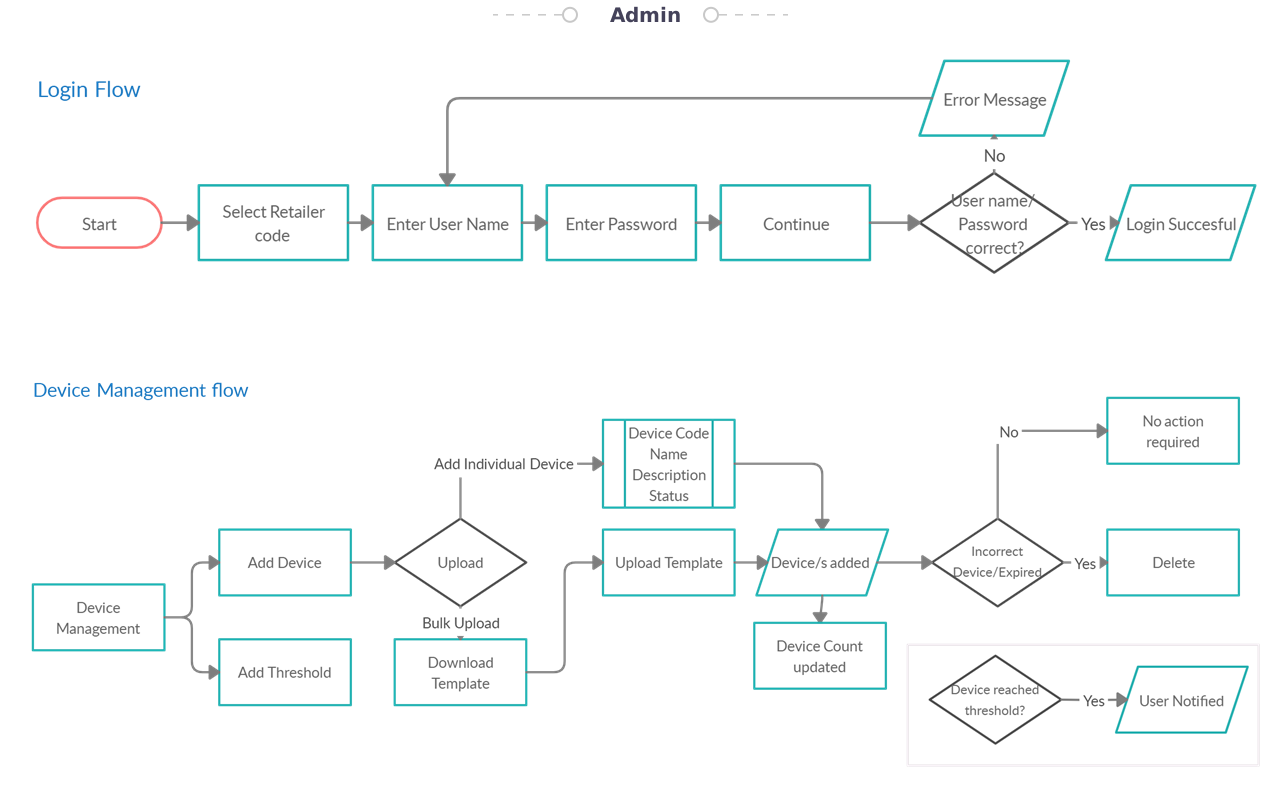
Task Flows
Wireframes
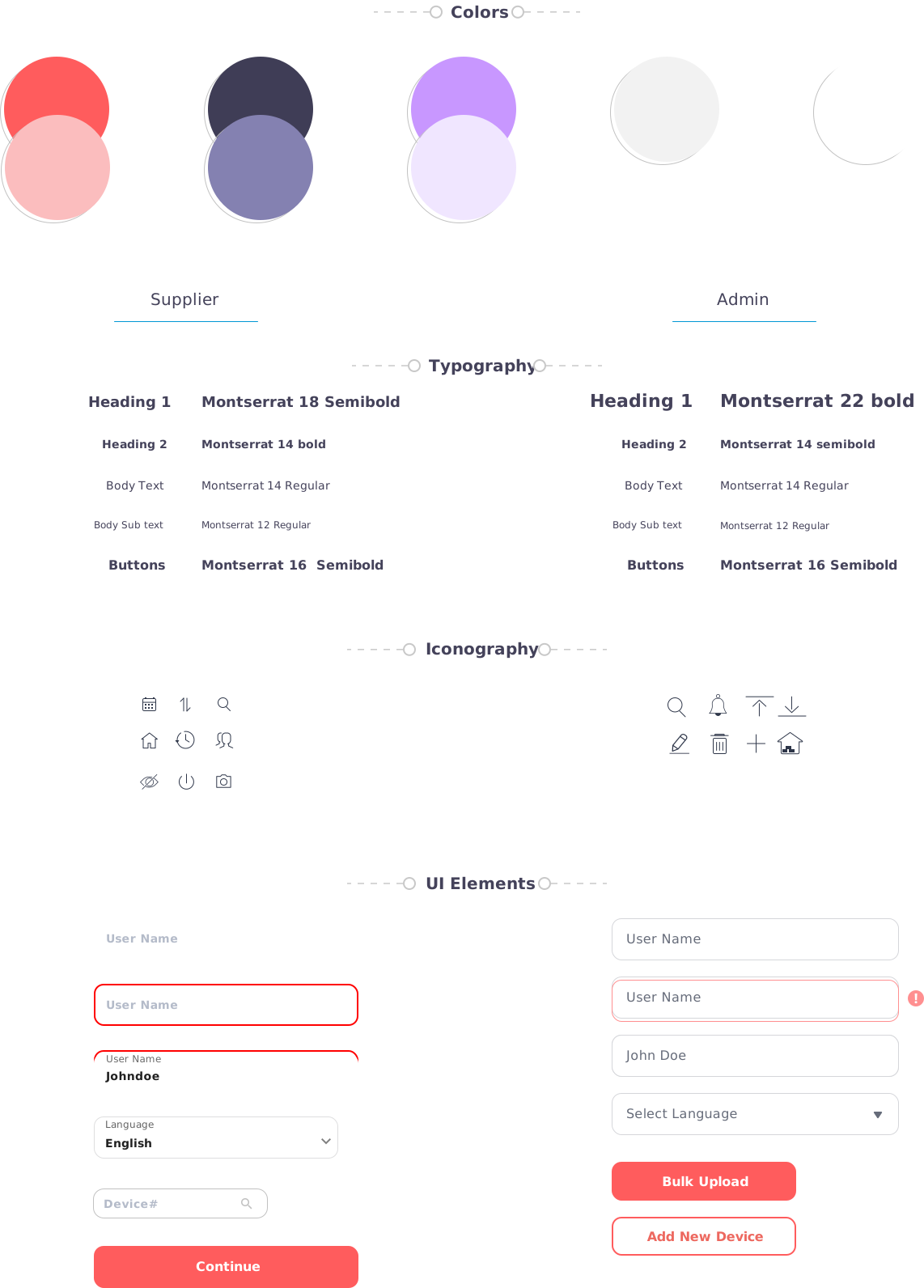
Design System Foundations


Final Mockup
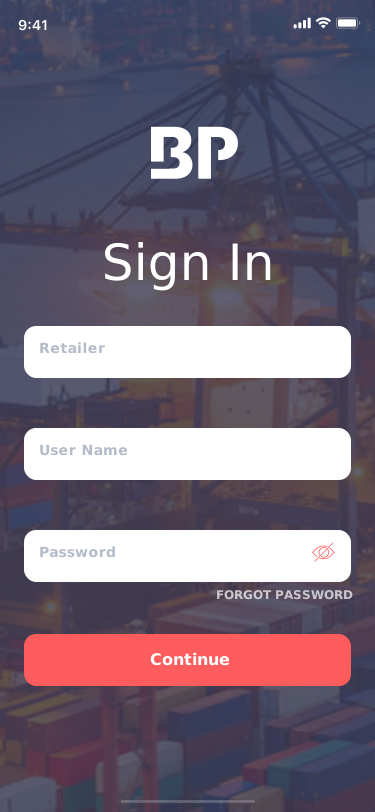

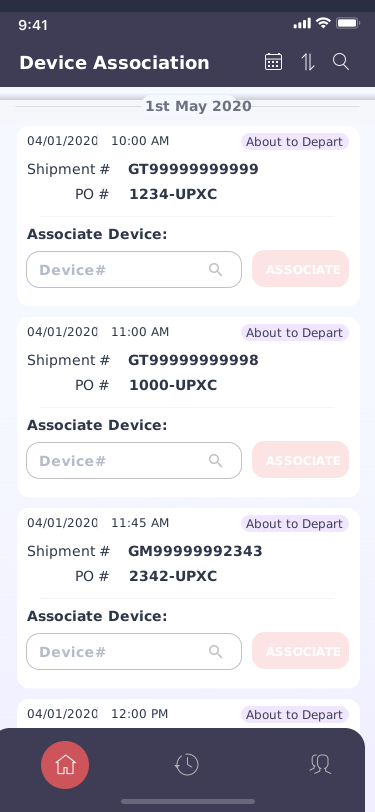
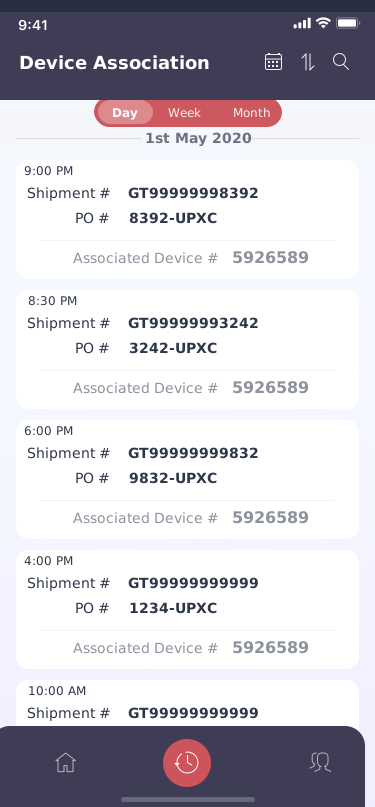
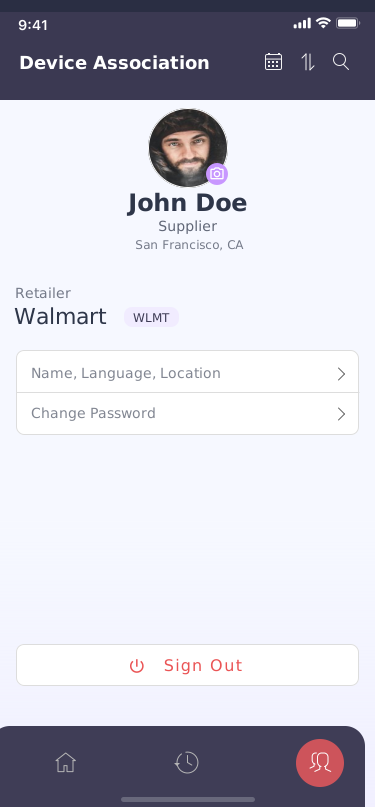


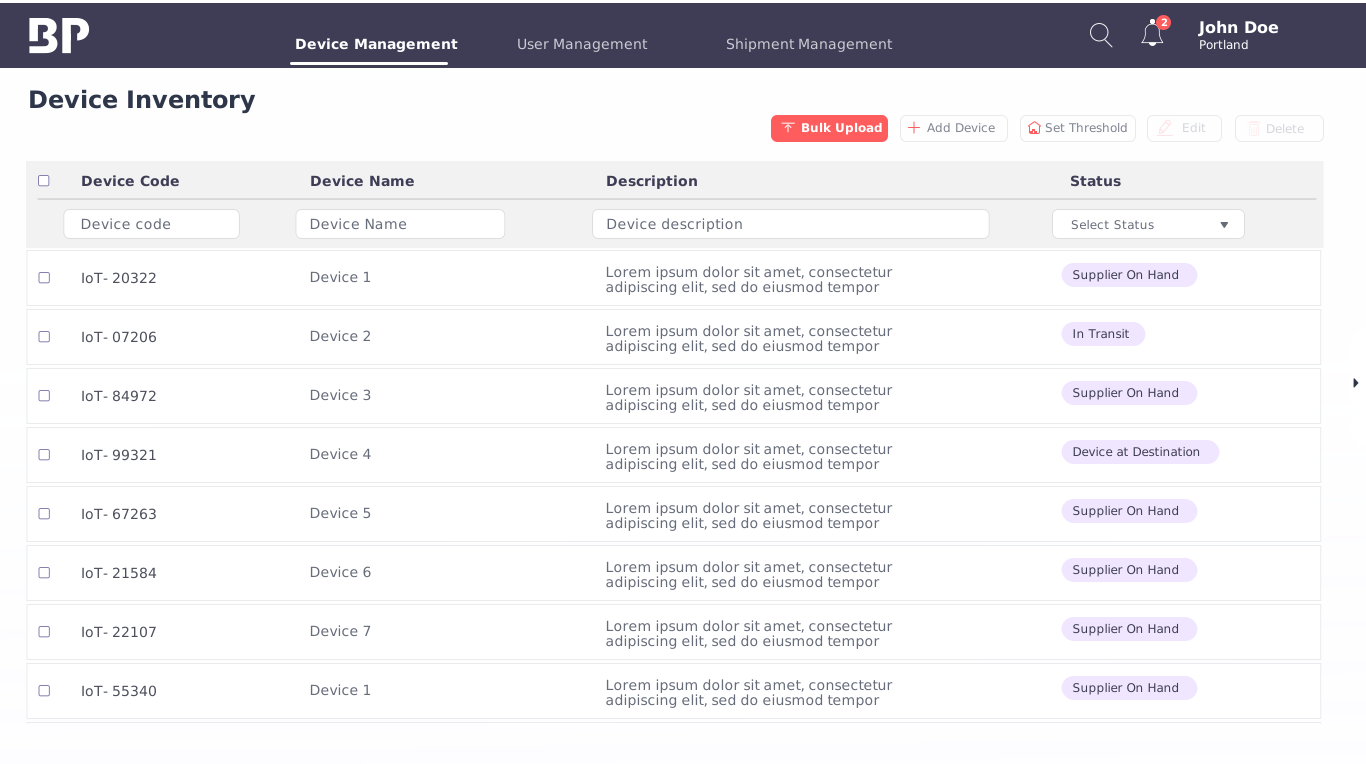


A/B Testing
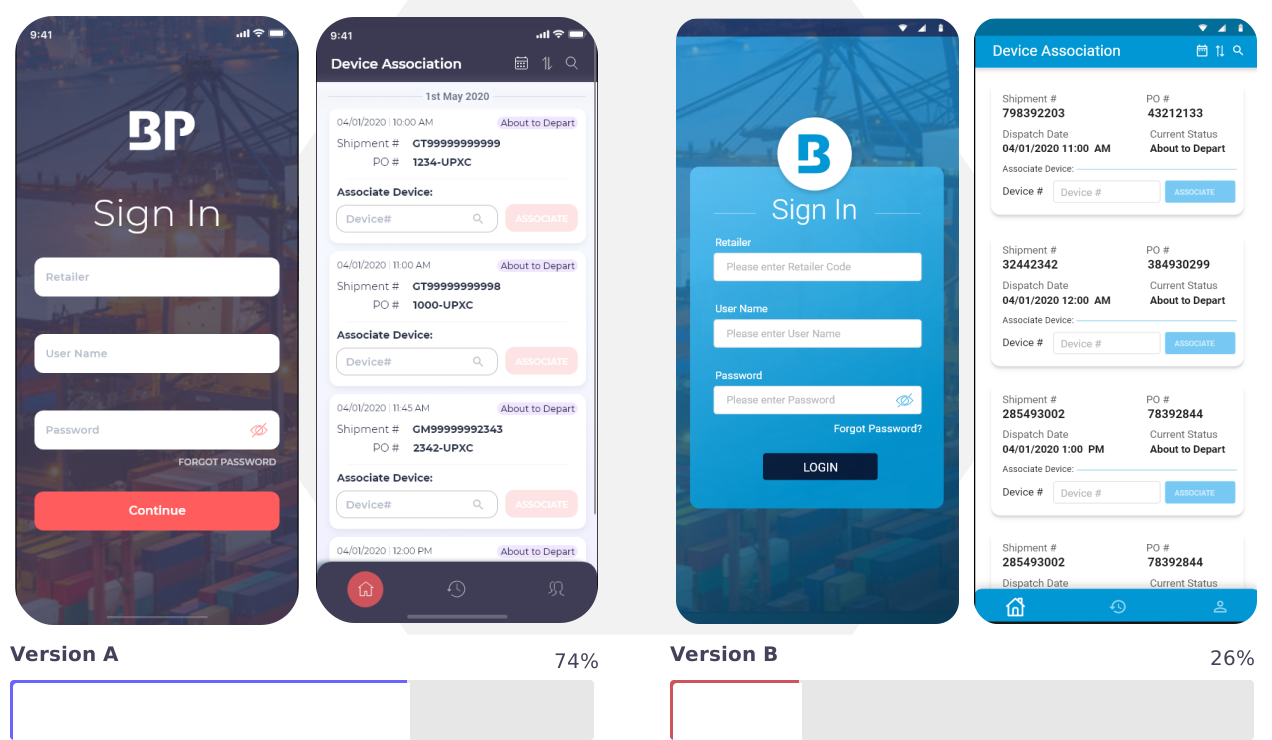
User testing was conducted after each design implementation as part of a dynamic iterative process.At this stage A/B testing was also conducted to test which designs are more popular with the users.
We asked our users which version they like better.
Usability Testing & Iteration
Moderated User Testing
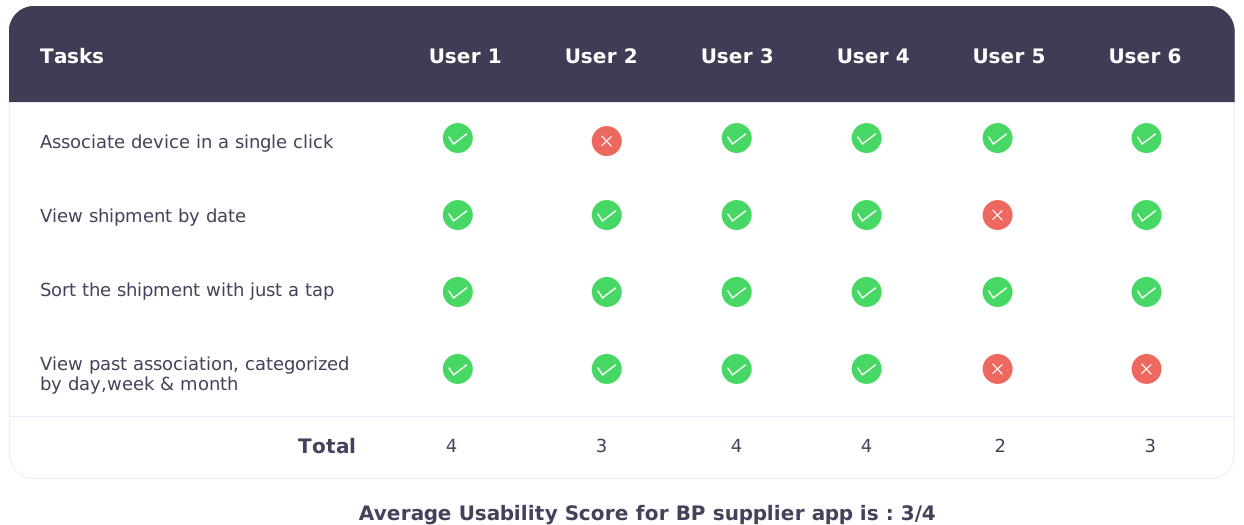
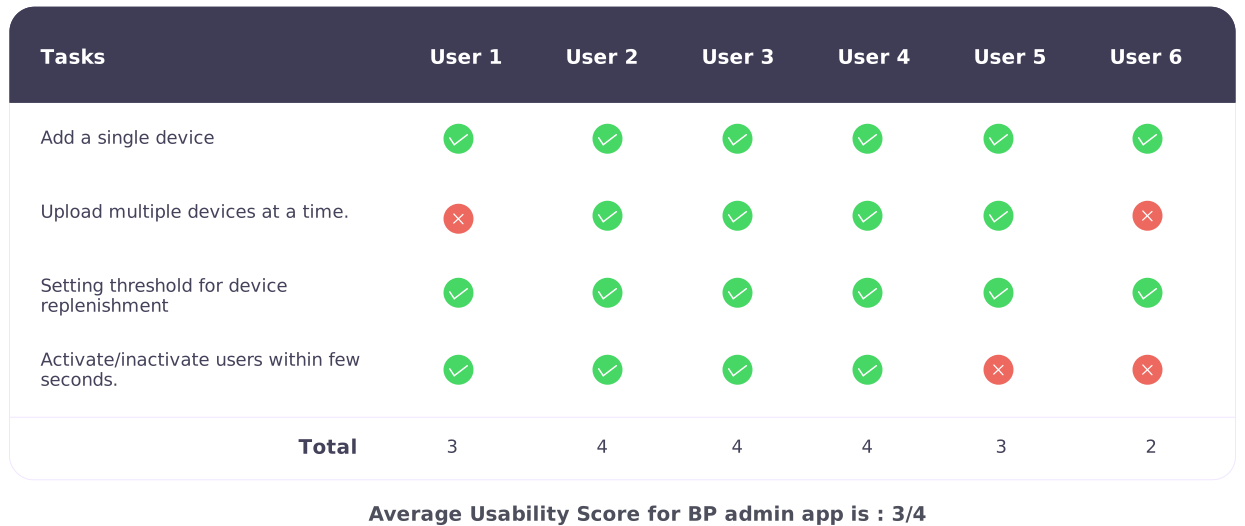
We conducted usability testing with our users to see if they are finding the application easy to use. We asked them to complete a few tasks to see if they encounter problem and experience confusion.
Results
Based on the sample size of 48 respondents, 35 (74%) chose the Version A design over Version B. On basis of this test we concluded that a simpler and cleaner design is more likely to be preferred by users
Key Reflections
Challenges Faced
Understanding a complex problem
It took time to understand the domain, workflows, and user needs before starting to design meaningful solutions.
Making sense of a lot of input
Feedback came from many sources, so organising and narrowing down the information was challenging.
Choosing what to test first
Not everything could be tested at once, so we focused on validating the most important workflows first.
Learnings
Start with the right problem
Spending time on problem understanding helped avoid unnecessary features.
Organising research helps decisions
Grouping insights made it easier to prioritise and move forward with clarity.
Simple design can still be effective
Clear structure and basic flows improved usability even in an MVP.
Explore Other Projects
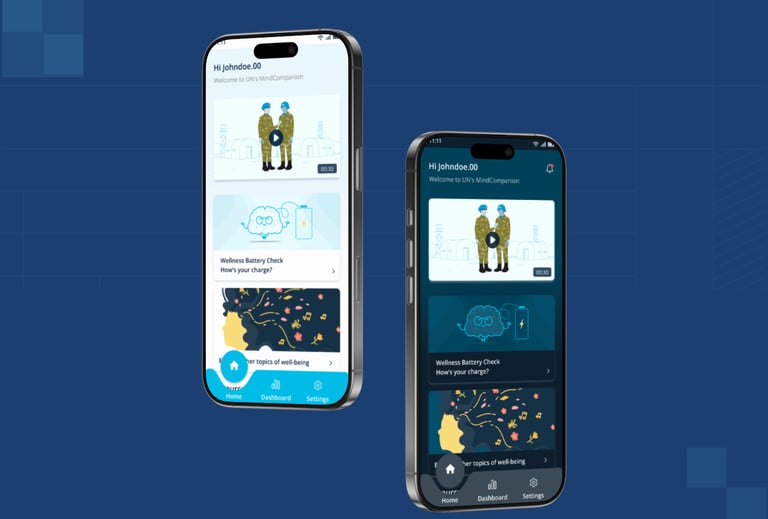
Digital Mental Health Platform
Enterprise Maturity Assessement Tool
Scrap It
© 2026. All rights reserved.